

The research project "Research on the Construction of the ‘In-depth Classroom’ Teaching Model and the Current Status and Development Strategies of University Students’ Digital Competence in the Guangdong-Hong Kong-Macao Greater Bay Area," led by Associate Professor Peng Jun and Assistant Professor Dai Yi from the School of Education, City University of Macau, has recently completed empirical investigations across the Guangdong-Hong Kong-Macao region and entered its final stage. Lasting one and a half years, the project focuses on cutting-edge topics in educational informatization and digital talent development. Its findings have been gradually published in several high-level academic journals both domestically and internationally, providing important theoretical support and practical references for the digital transformation of education in the Greater Bay Area.
Focusing on Key Educational Challenges in the Greater Bay Area and Building an Innovative Research Framework
Funded by the Macao Foundation with a grant of MOP 150,000 (Project No.: MF2342), the project responds to the needs of digital development in higher education in the Guangdong-Hong Kong-Macao Greater Bay Area. Addressing core issues such as the insufficient integration of technology and teaching and the lack of a digital competence assessment system for students, the research team established a theoretical system of the “In-depth Classroom” teaching model and systematically investigated the current state of digital competence among university students in the region. In collaboration with more than ten universities in Guangzhou, Shenzhen, Zhuhai, and other cities, the team collected more than 3,000 valid responses through questionnaires, in-depth interviews, and classroom experiments, forming a comprehensive analysis of the current status of regional educational digitalization.
Fruitful Academic Achievements Promoting Multidimensional Theoretical Innovation
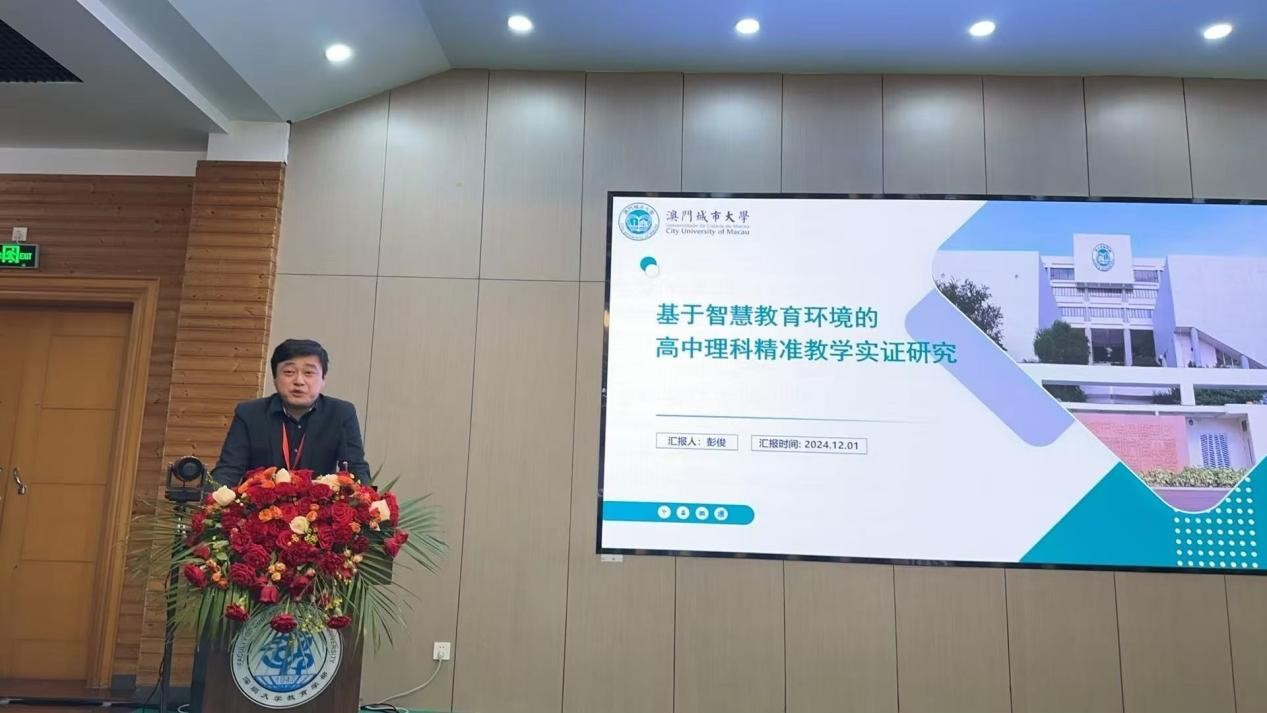
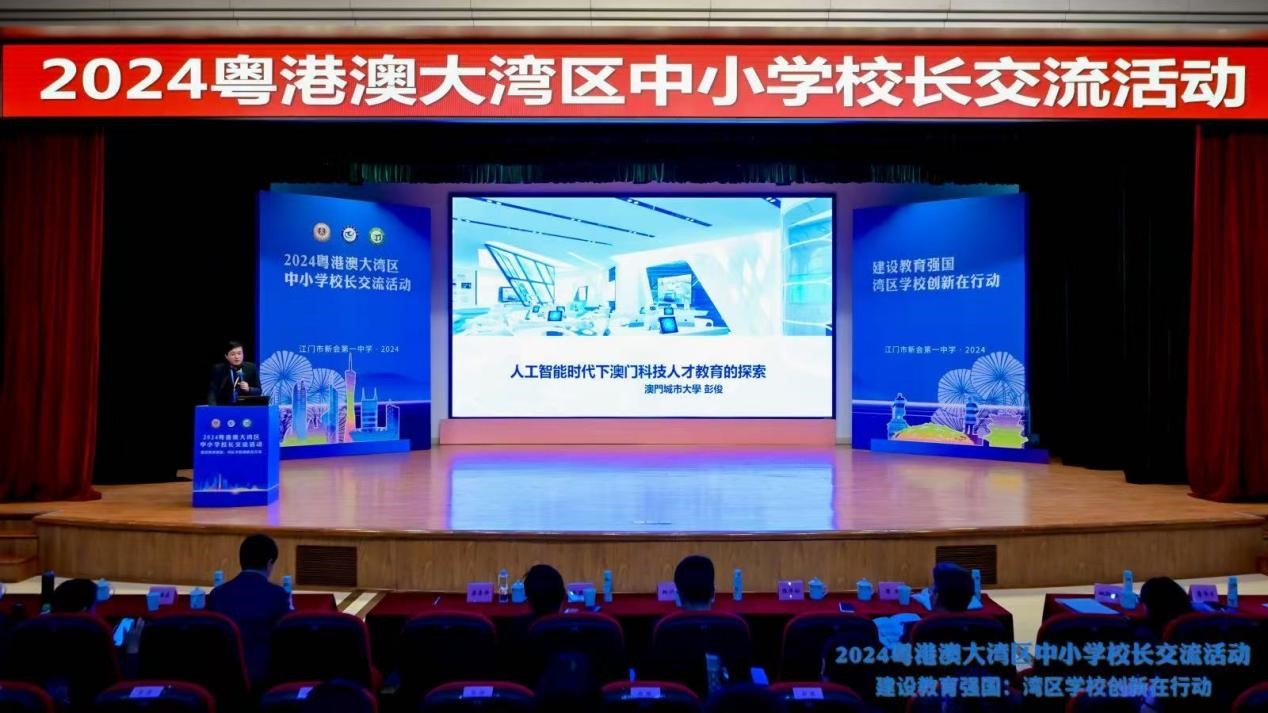
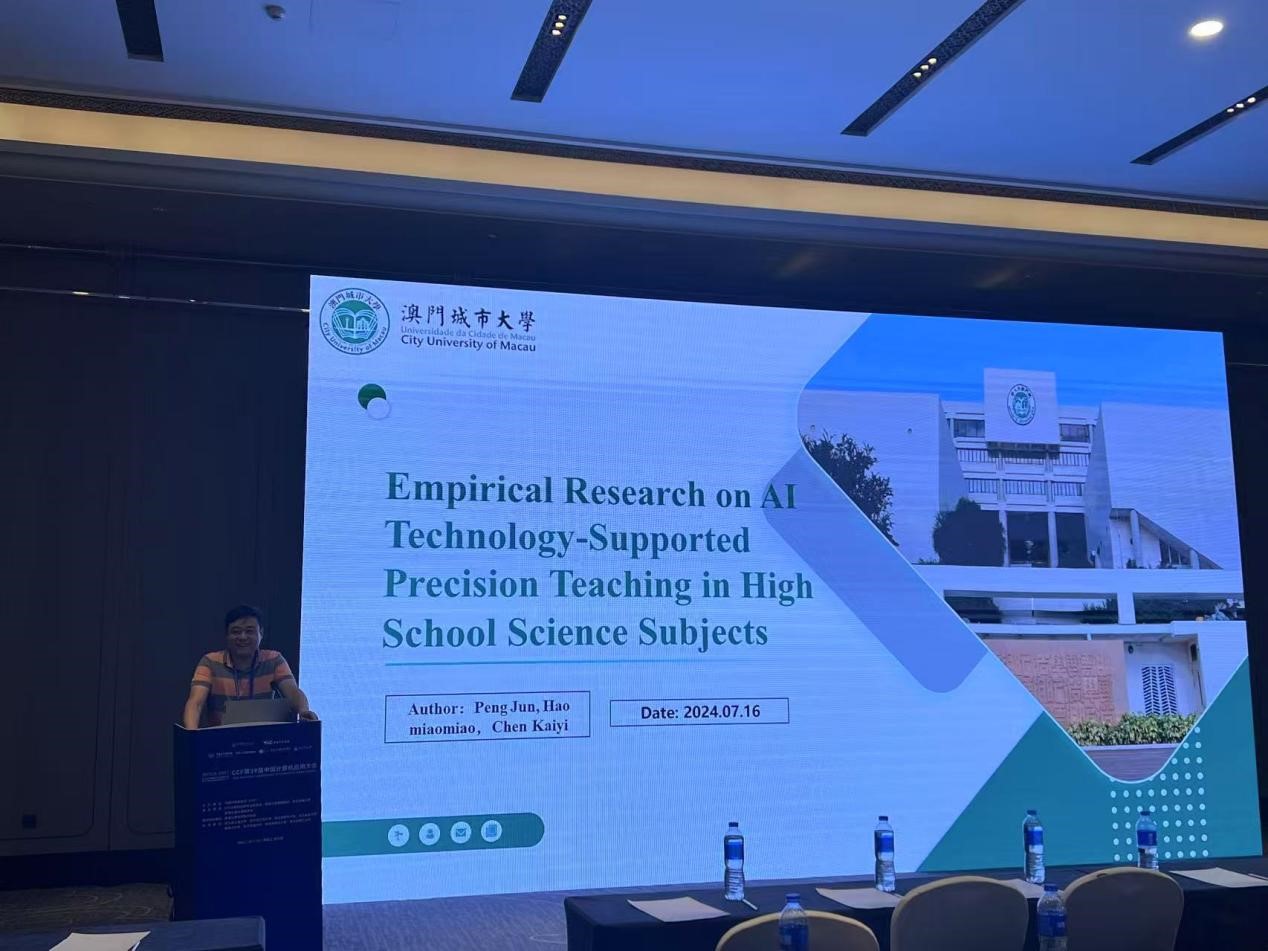
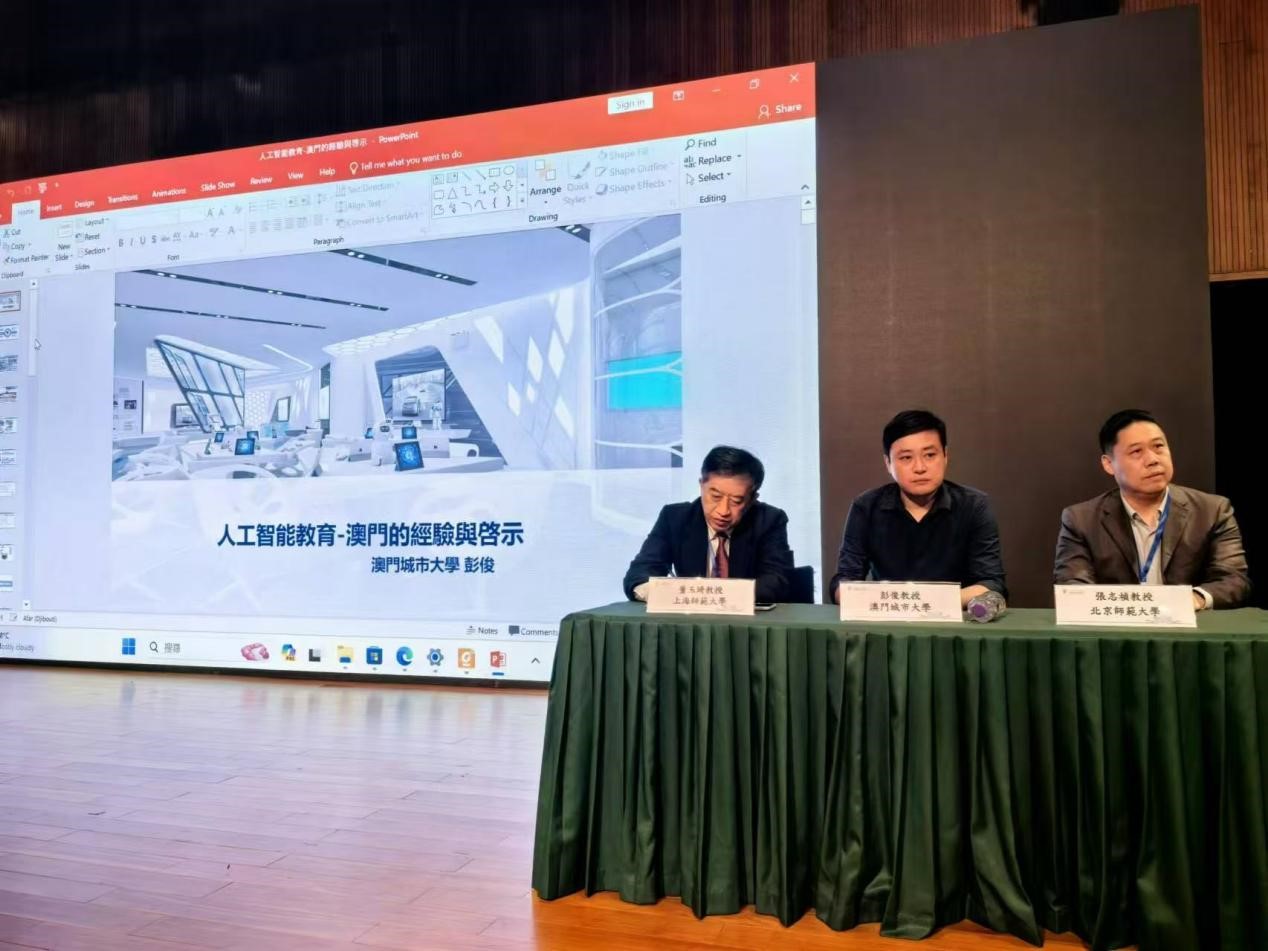
Focusing on key themes including the construction of the in-depth classroom model, digital competence assessment, and collaborative educational development in the Greater Bay Area, the project team has published six academic papers in SSCI, CSSCI, and ESCI indexed journals, including Scientific Reports, Applied Sciences, Knowledge Management & E-Learning, Journal of Educational Technology and Innovation, and Journal of Shenyang Sport University. In addition, four papers in provincial-level journals and five high-level conference papers have been published, with results exceeding expectations.The study proposed the five-dimensional evaluation model of digital competence for the first time, revealing the development status of university students in the Greater Bay Area in terms of digital technology application, critical thinking, cross-cultural collaboration, and other dimensions. Based on the “In-depth Classroom” model, it further put forward the development strategy of “Technology Empowerment – Evaluation Guidance – Regional Collaboration.” Members of the project team have been invited to participate in numerous academic conferences at home and abroad. These exchanges have promoted the “In-depth Classroom” model and digital competence research to a broader academic platform, facilitated dialogue and integration with international cutting-edge educational theories, and provided diverse perspectives for the optimization and iteration of research outcomes through interdisciplinary and cross-regional exchanges.Such high-frequency academic interaction has enhanced the international academic influence of the project, built an important bridge for deepening regional educational collaboration and aligning with international educational innovation trends, and effectively exerted the leading role of scientific research in educational practice.
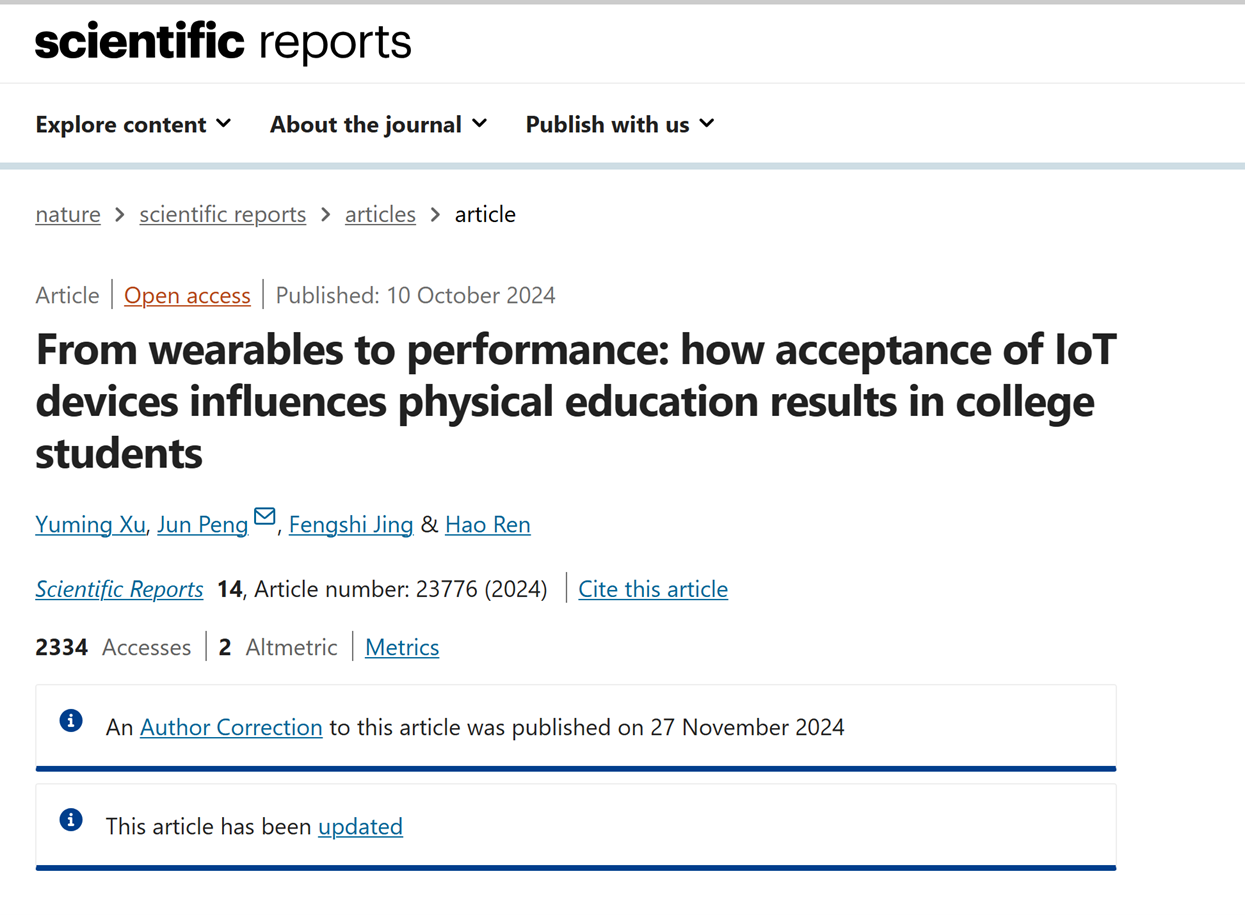
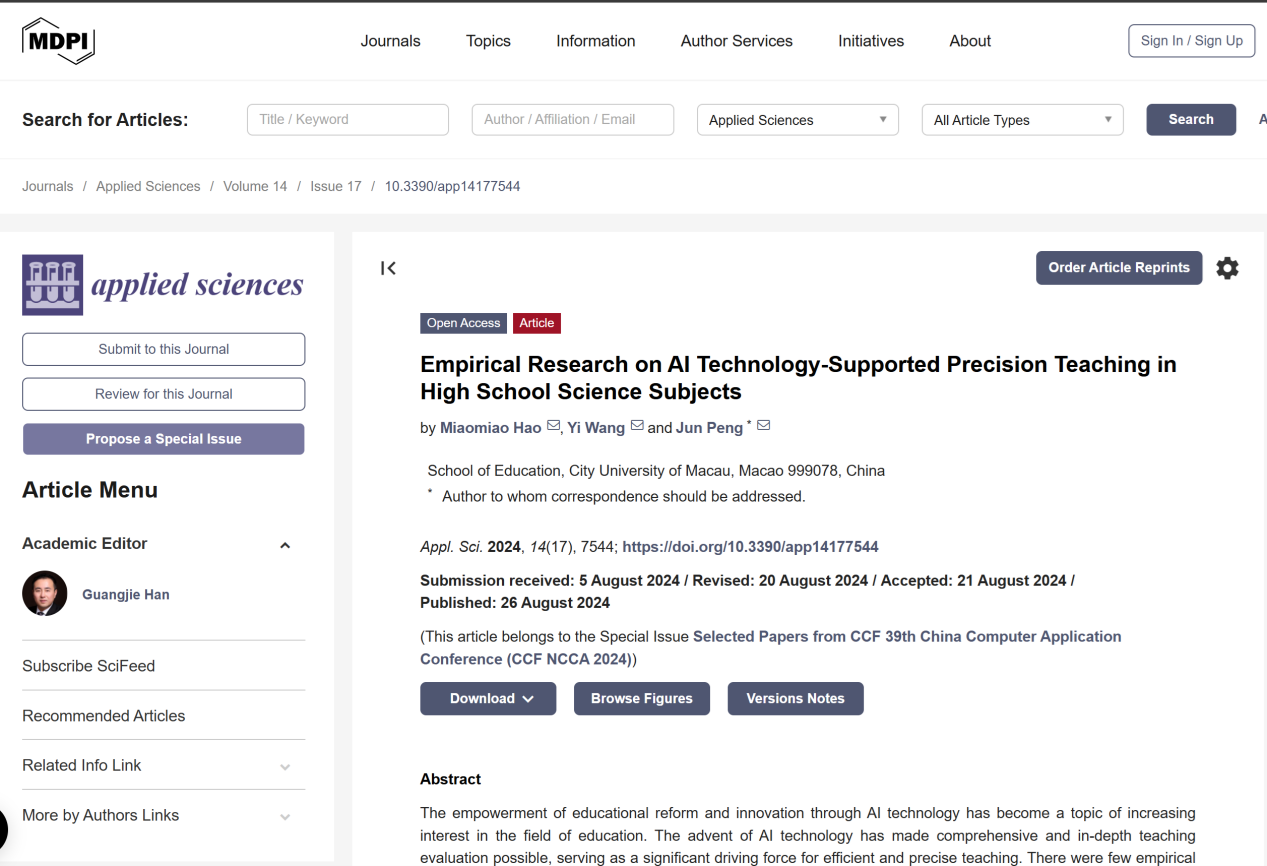
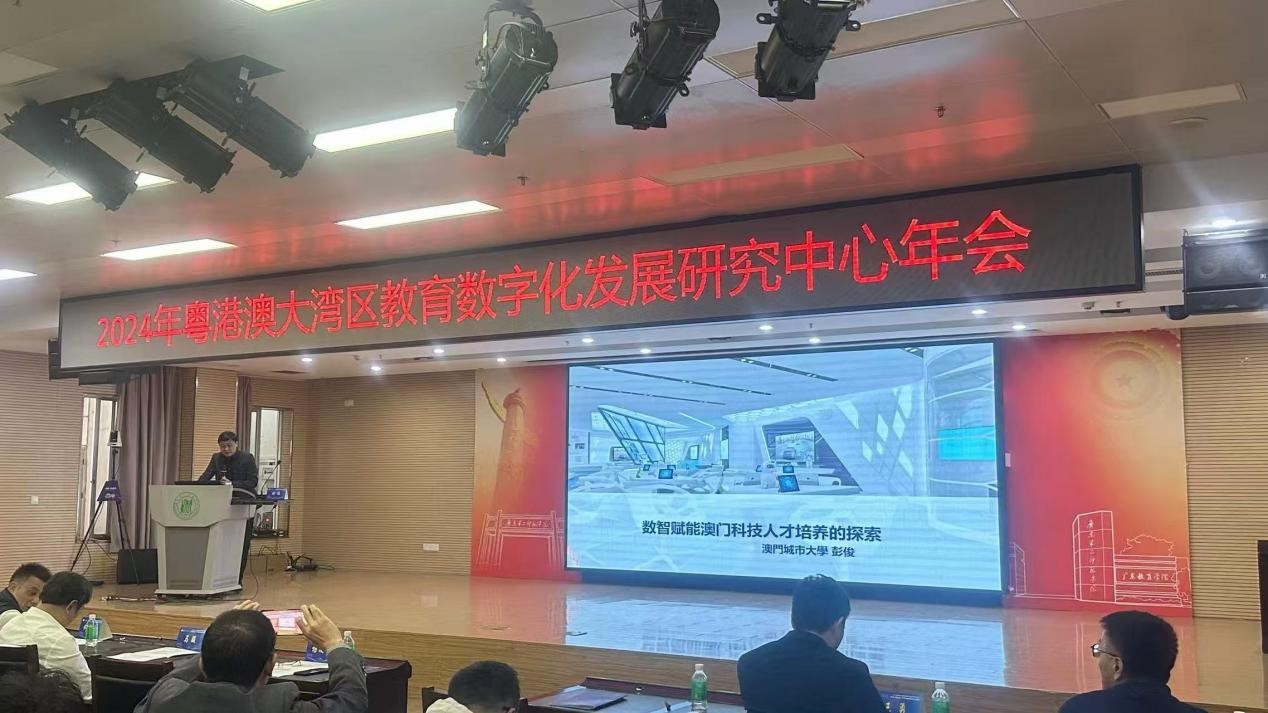
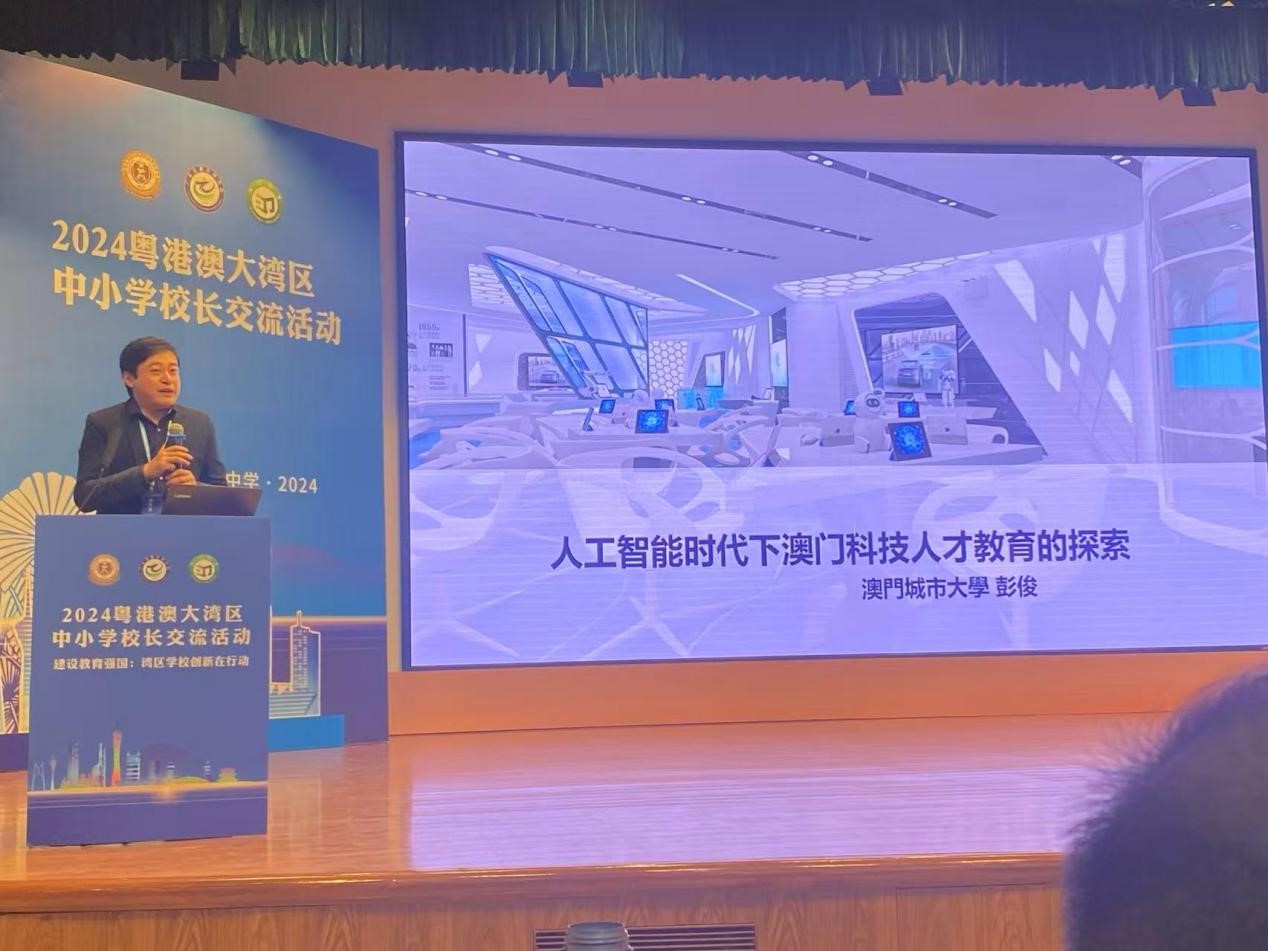
The project successfully constructed an “In-depth Classroom” teaching model with digital textbooks as its core, forming a three-dimensional structure of “Cloud Service Classroom – Cloud Interaction Classroom – Cloud Collaboration Classroom.” It breaks through the limitations of technology application in traditional classrooms, upgrades digital textbooks into a core engine supporting full-scenario teaching, and establishes an integrated framework of “hardware environment – software functions – teaching models,” filling the research gap in classroom evaluation models in technology-rich environments.
In terms of teaching model innovation, the project proposed layered application strategies for three types of classrooms: Cloud Service Classroom: resource delivery and situation creation、Cloud Interaction Classroom: efficient interaction and flipped learning and Cloud Collaboration Classroom: cross-regional resource sharing and remote teaching. Using the MFS Growth algorithm to analyze teachers’ teaching behavior data, the team verified the model’s effectiveness in optimizing teaching practices and formed efficient teaching sequences such as “knowledge presentation → interactive generation.”
In practical application, the project has facilitated the establishment of remote collaborative teaching mechanisms in more than ten schools in the Guangdong-Hong Kong-Macao region. Through layered training on teachers’ ability to use digital textbooks, 82% of participating teachers can independently design interactive courses. As a benchmark case combining “regional characteristics and academic innovation” in the Greater Bay Area, the project has laid a solid foundation for enhancing the academic influence of Macao’s higher education institutions in the field of educational digitalization.
By innovatively applying analytical methods to educational behavioral data, the project has produced a series of high-quality academic papers and formed a closed-loop academic influence of “theory – practice – radiation,” providing replicable practical experience for classroom teaching reform in the context of educational modernization.
Associate Professor Peng Jun, Principal Investigator of the project, stated: “This study combines the concept of ‘In-depth Classroom’ with the educational characteristics of the Greater Bay Area for the first time. It not only enriches the theoretical system of educational digitalization but also provides a feasible path for universities to cultivate interdisciplinary talents adapted to the intelligent era. In the future, the team will further deepen research on the integration of artificial intelligence and education and promote the large-scale application of the results in the region.”
Deepening Industry-University-Research Collaboration and Promoting the Transformation of Academic Achievements
With the further development of the Guangdong-Hong Kong-Macao Greater Bay Area, the project’s achievements will continue to provide theoretical and practical support for the high-quality development of regional education, helping to build an internationally competitive education and talent hub.