

City University of Macau recently held the Seminar on Cultivating Global Competitiveness – Technological Innovation and the Future of Higher Education in Macao at the Ho Yin Convention Centre, Taipa Campus. University leaders, education experts, scholars, and postgraduate students gathered for in-depth discussions on core topics including strategies and policy prospects for postgraduate education, providing insights for the innovative development of higher education in Macao in the new era. The seminar was hosted by the School of Education, City University of Macau, co-organized by the Postgraduate Association, and supported by the Macao Foundation. Distinguished attendees included: Mr. Chen Xuwei, Director of the Higher Education Students Department of the Macao Education and Youth Development Bureau, Professor Liu Jun, Rector of City University of Macau, Professor Li Ying Cheng, Dean of the School of Education, Professor Bruce MacFarlane, Dean of the Faculty of Education and Human Development, The Education University of Hong Kong, Professor Fan Lianghuo, Dean of the Faculty of Education, University of Macau, Professor Lu Xiaozhong, Dean of the Institute of Higher Education for the Development of the Guangdong-Hong Kong-Macao Greater Bay Area, South China Normal University, Dr. Wang Ting, Assistant Dean of the International College, Macau University of Science and Technology, Professor Jimmy de la Torre, The University of Hong Kong, Assistant Research Professor Hao Wu, University of Saint Joseph Macao, Zhang Xiang, PhD Student in Education (2024 Cohort, City University of Macau) and Representative of the Seminar Organizing Committee and Faculty leaders, teachers, and students from various faculties of City University of Macau.
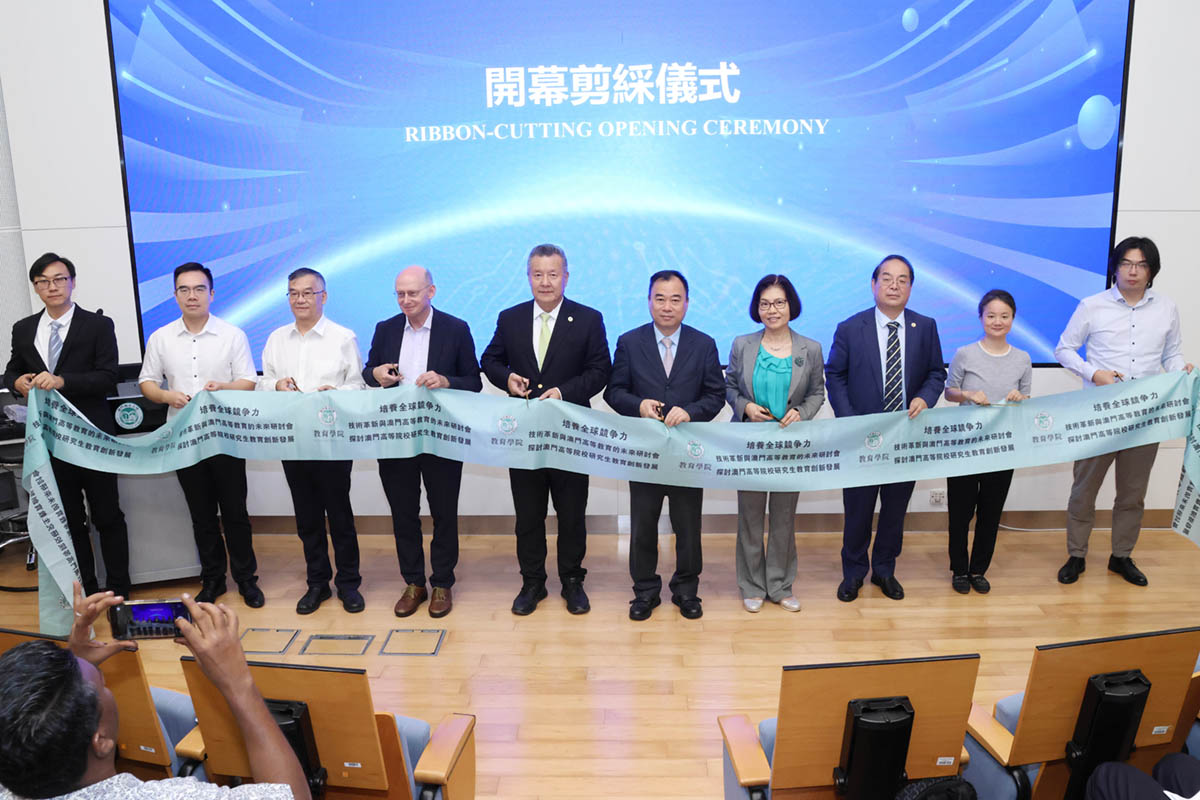
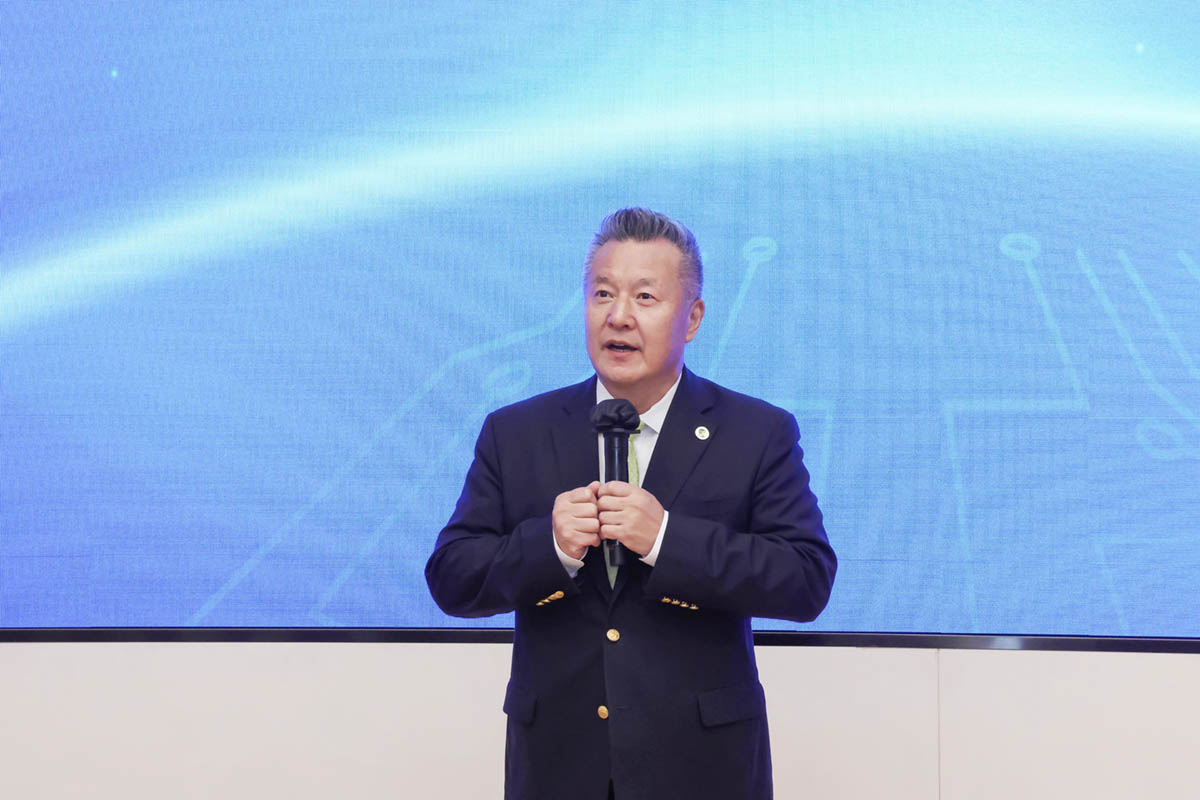
In his opening address, Rector Liu Jun reviewed the current state of postgraduate education in Macao and the Greater Bay Area, emphasizing the pivotal role of postgraduate education in talent cultivation, technological innovation, and regional development. He stated that higher education in Macao should further strengthen inter-university cooperation, deepen educational reform, and promote international exchanges to meet the demands of the times and nurture high-quality innovative talents with global competitiveness.
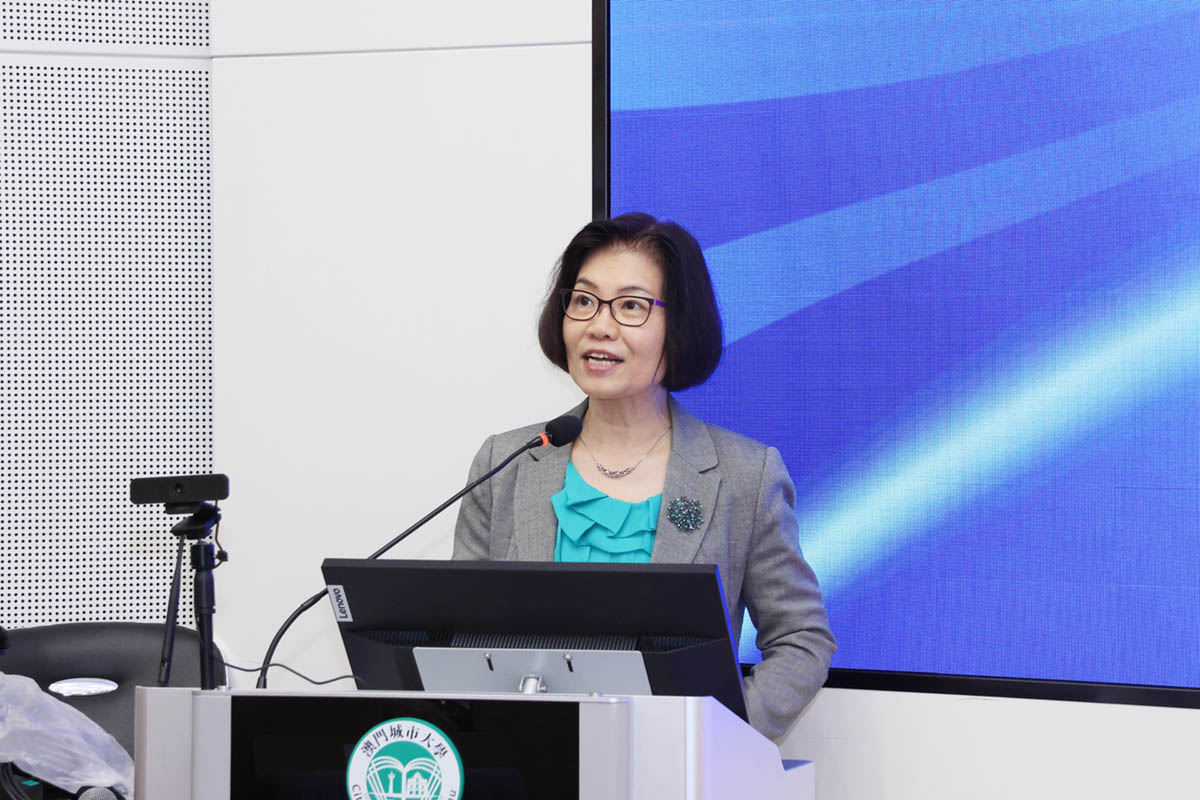
Dean Li Ying Cheng highlighted the significance of the seminar for the future of higher education in Macao. From the perspectives of discipline development and talent cultivation, she shared City University of Macau’s experience in postgraduate education and noted that the School would use the seminar as a platform to further advance teaching reform and improve postgraduate training quality.
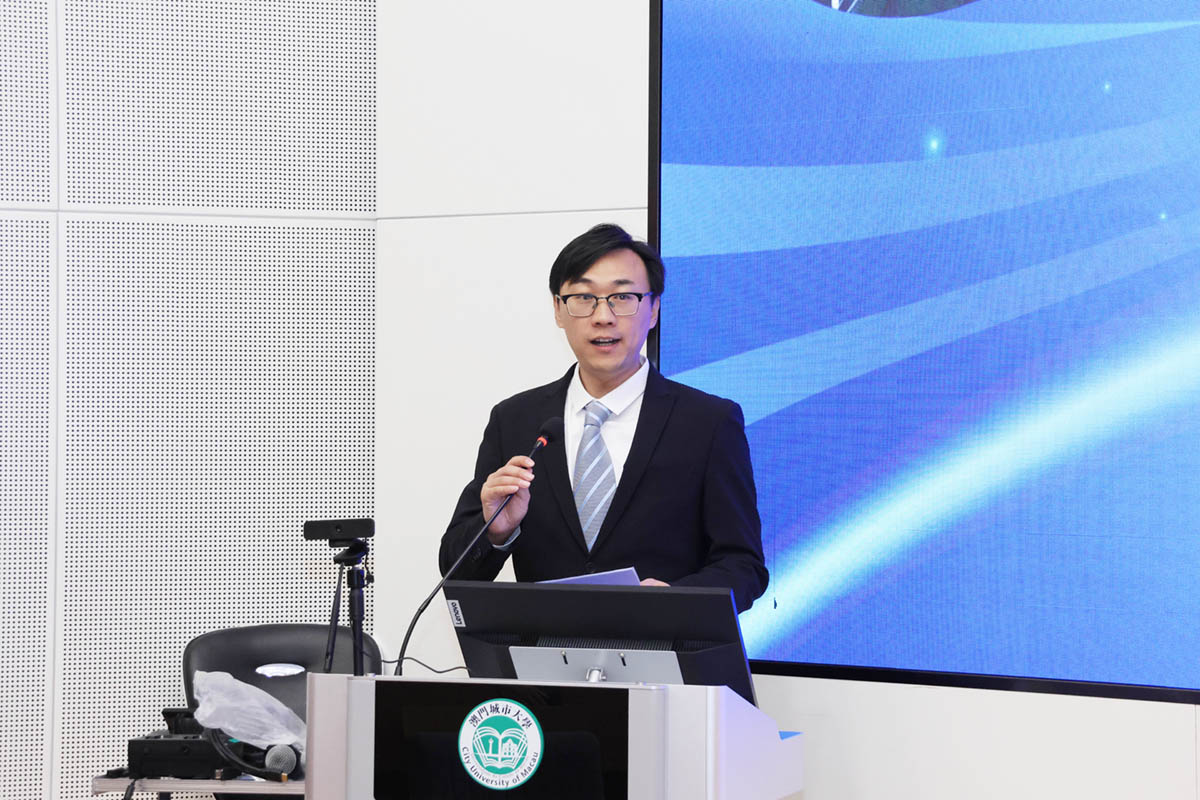
Zhang Xiang delivered a speech on behalf of the Organizing Committee, expressing sincere gratitude to all guests. He noted that a distinctive feature of the conference was that it was independently planned, organized, and implemented by postgraduate students, showcasing their academic abilities and strengthening their organizational and coordination skills. He introduced the seminar agenda and encouraged active participation to contribute wisdom to the future of higher education in Macao.
Dean Li Ying Cheng then chaired the Main Forum: Prospects for Postgraduate Education Strategy and Policy, where four distinguished experts delivered inspiring keynote presentations.
The Main Forum focused on four key areas: policy optimization for postgraduate education, academic integrity, international comparisons, and intelligent transformation, reaching several important consensus points. Experts agreed that universities in Macao should align with policy directions, optimize academic program offerings, strengthen education on academic ethics (especially authorship standards), integrate international advanced experience with local characteristics, and continuously improve the postgraduate training system. Amid new opportunities and challenges in the AI era, universities should proactively cultivate high-quality postgraduates with independent thinking, innovation capacity, and interdisciplinary vision. These efforts will provide strong talent support for Macao, the Greater Bay Area, and global development, helping Macao’s higher education achieve solid and high-quality leapfrog development in global competition.
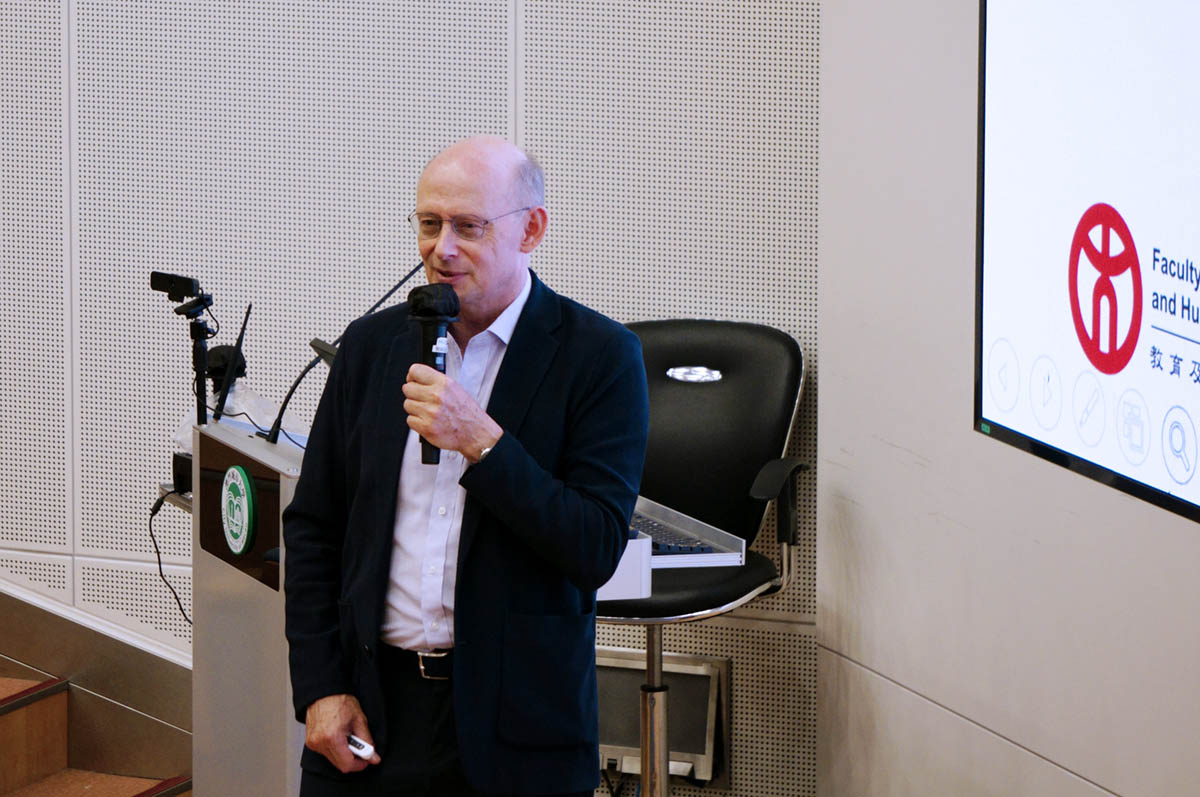
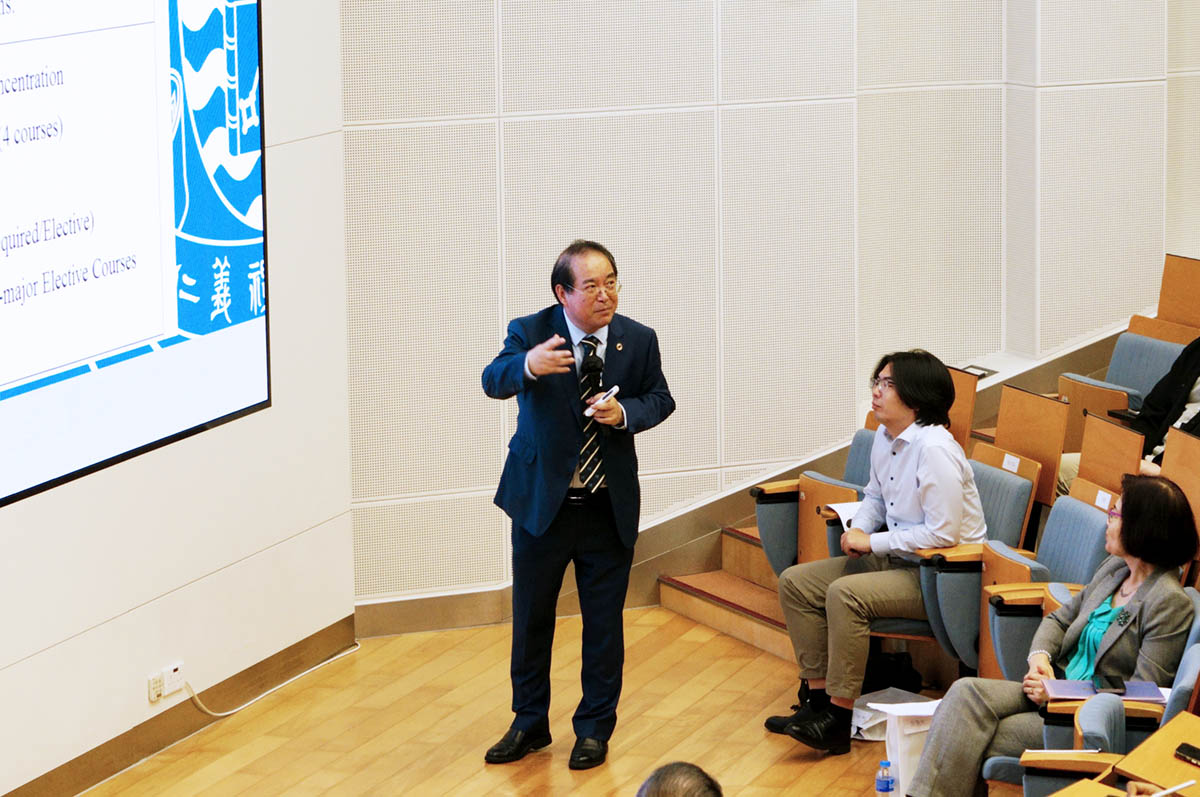
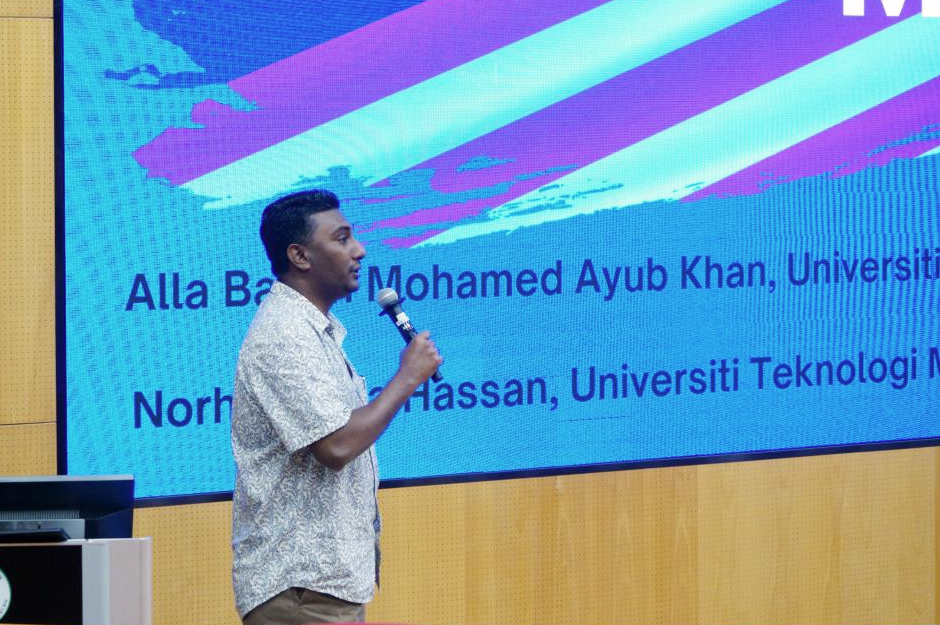
The two-day seminar featured the Main Forum and three parallel forums on “Postgraduate Professional Growth and Academic Development,” “Practice and Reflection on Postgraduate Education Reform,” and “Postgraduate Education and Artificial Intelligence.” Senior education scholars from universities in mainland China, Hong Kong, Macao, and Malaysia participated, engaging in in-depth discussions through keynote speeches and panel sessions.
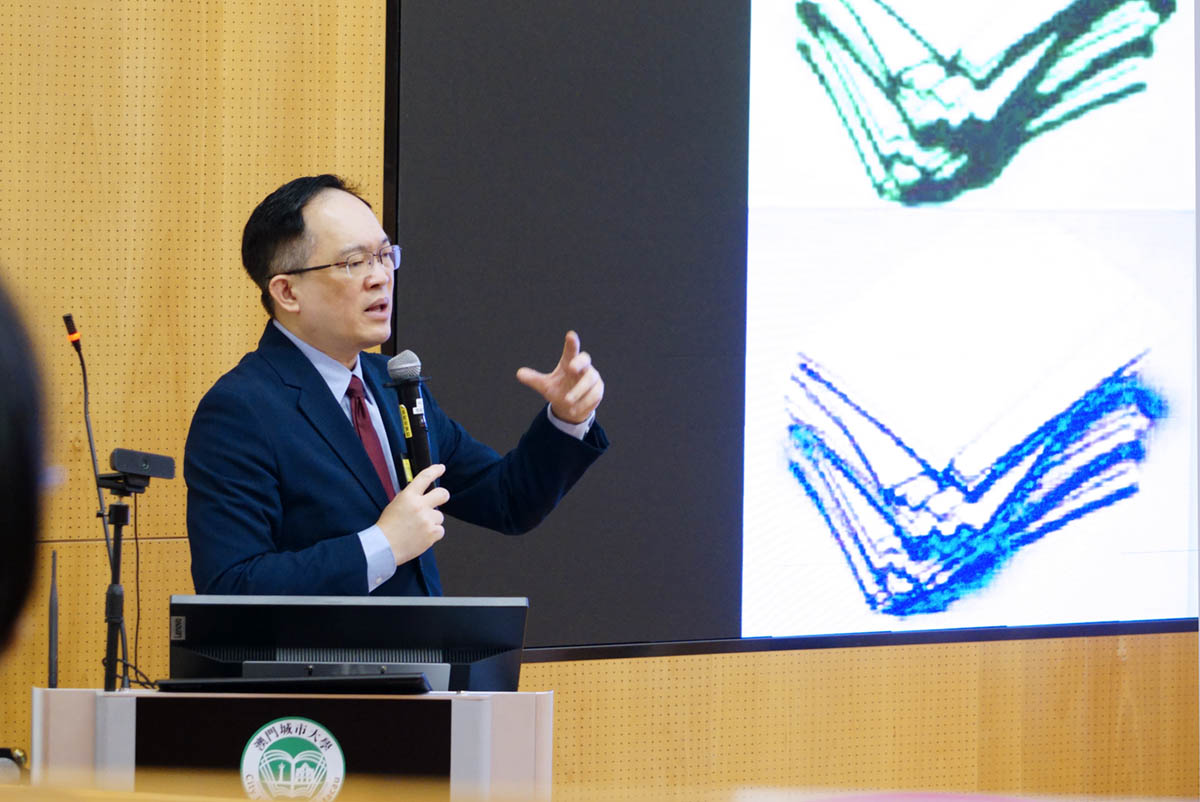
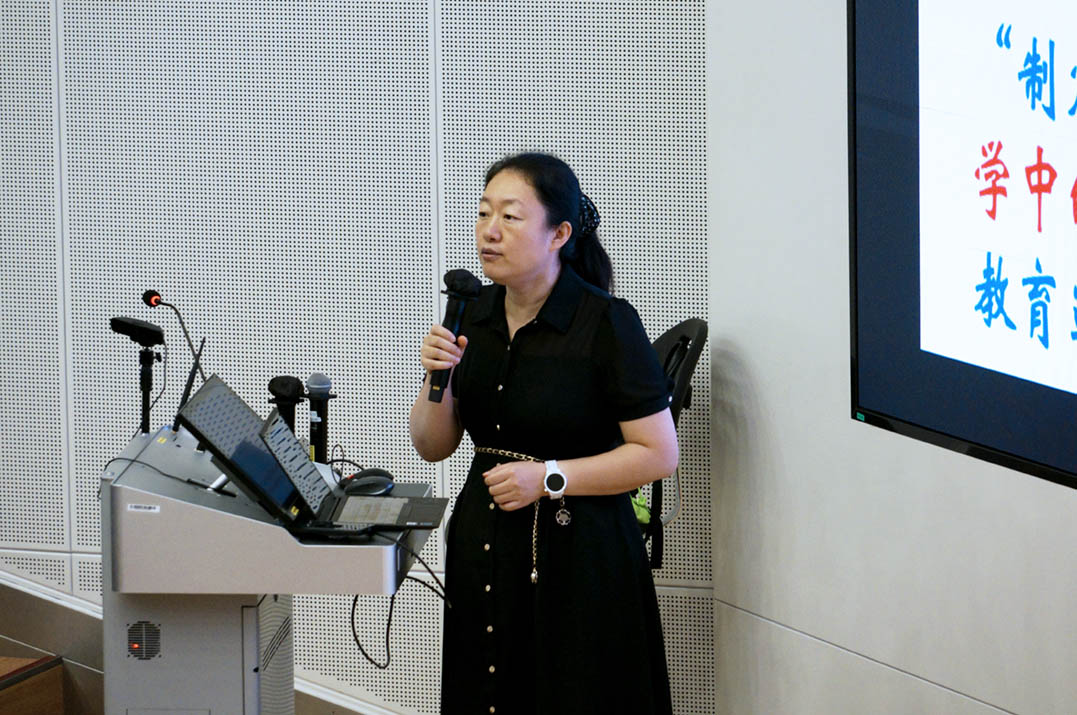
Associate Professor Cheng Longwei, master’s Programme Director of the School of Education, stated in the closing ceremony that the seminar marked a new starting point for the high-quality development of postgraduate education in Macao. He noted that universities in Macao should follow the outcomes of the conference, further integrate artificial intelligence into postgraduate education, strengthen collaboration with mainland universities, and improve the talent cultivation system. These efforts will nurture more high-quality innovative talents with global competitiveness for Macao and the Greater Bay Area, supporting the leapfrog development of Macao’s higher education amid technological innovation.