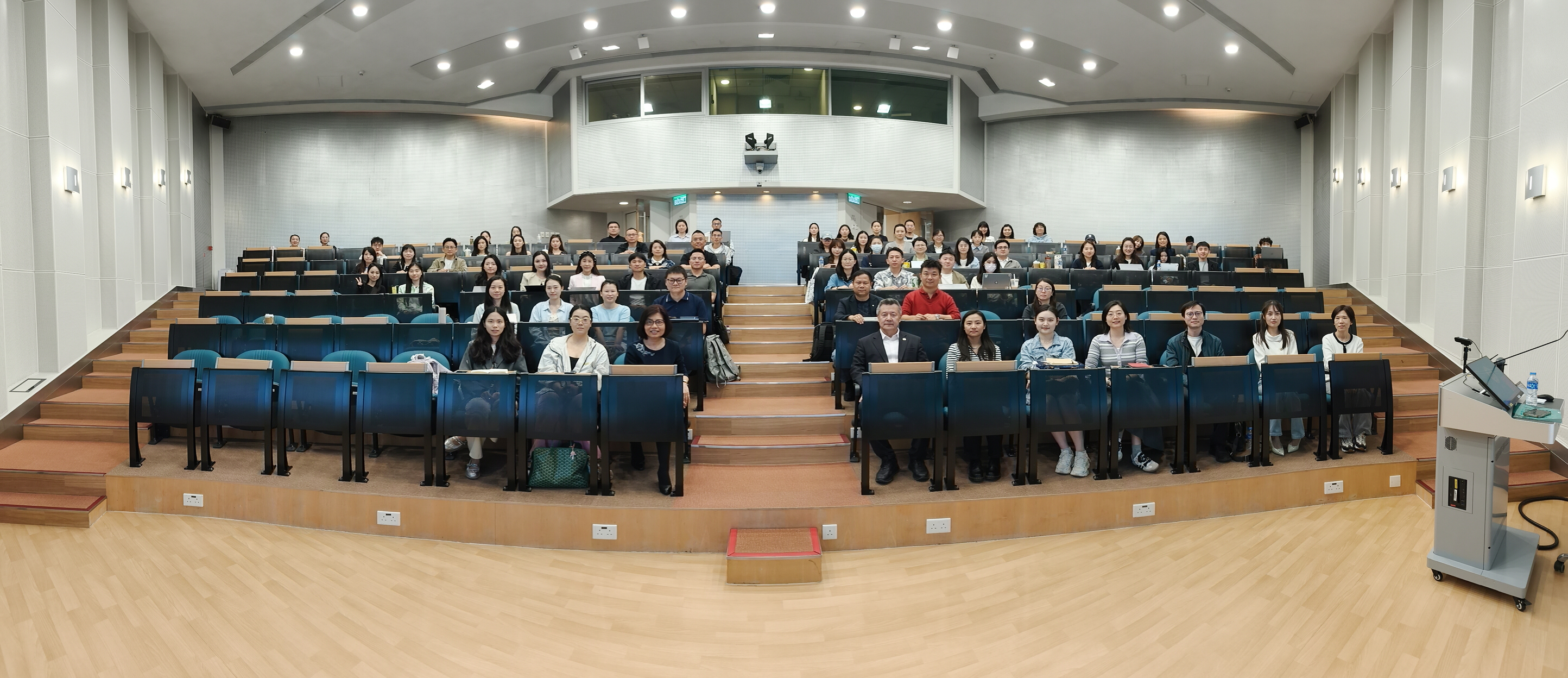
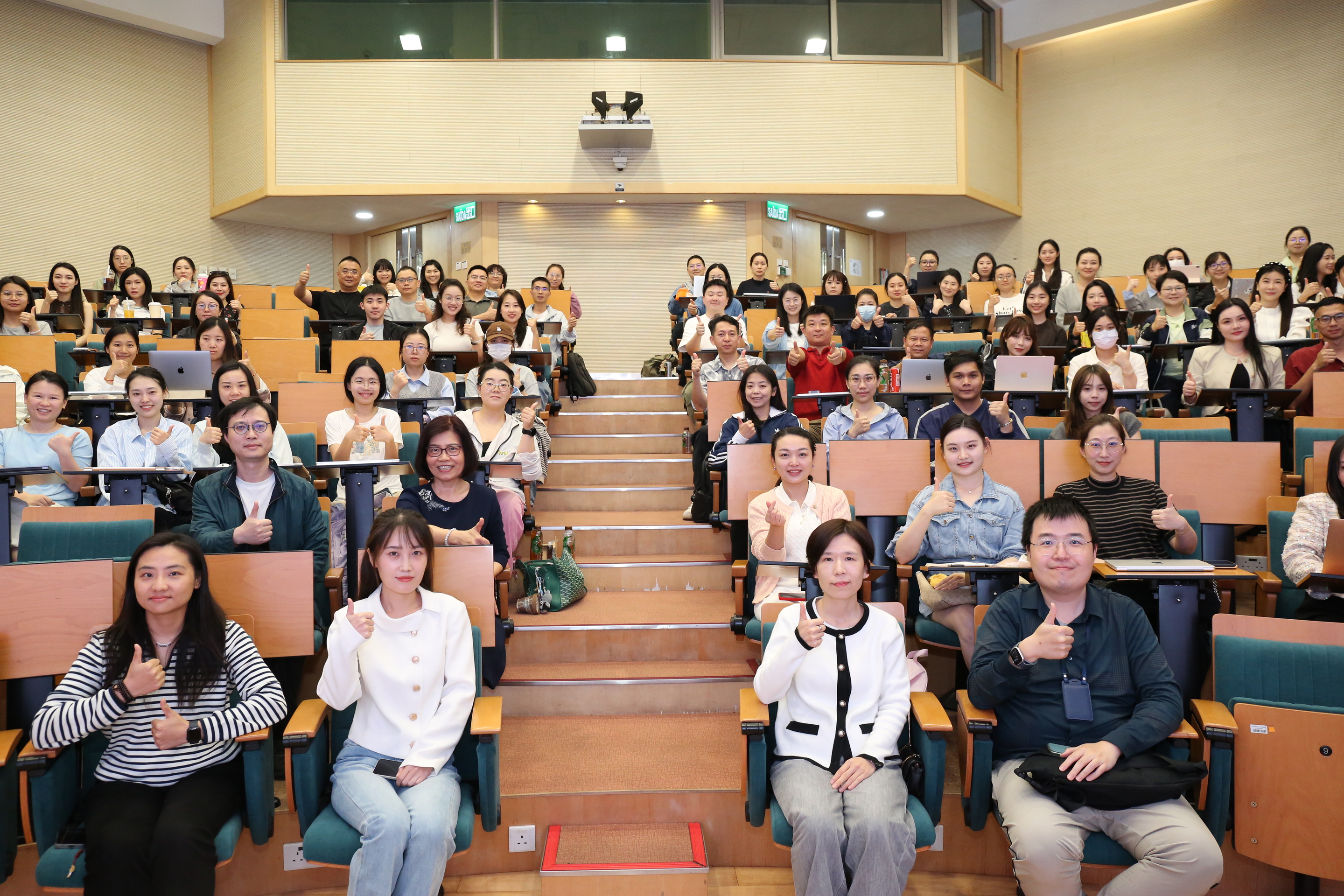
The 2025–2026 Faculty of Education Research Day themed Diving into Research Ethics was successfully held on March 19, 2026. Professor Cheng Liying, Dean of the Faculty of Education, attended and delivered an opening address. She emphasized that the event aimed to help teachers and students establish awareness of research norms, master practical procedures for ethical review, and effectively safeguard research safety and academic quality. Three Assistant Professors, Ouyang Baixiao, Wang Zixuan and Zhang Jiawei, served as guest speakers. Postgraduate and doctoral students as well as research staff of the Faculty participated in the study and exchange session.
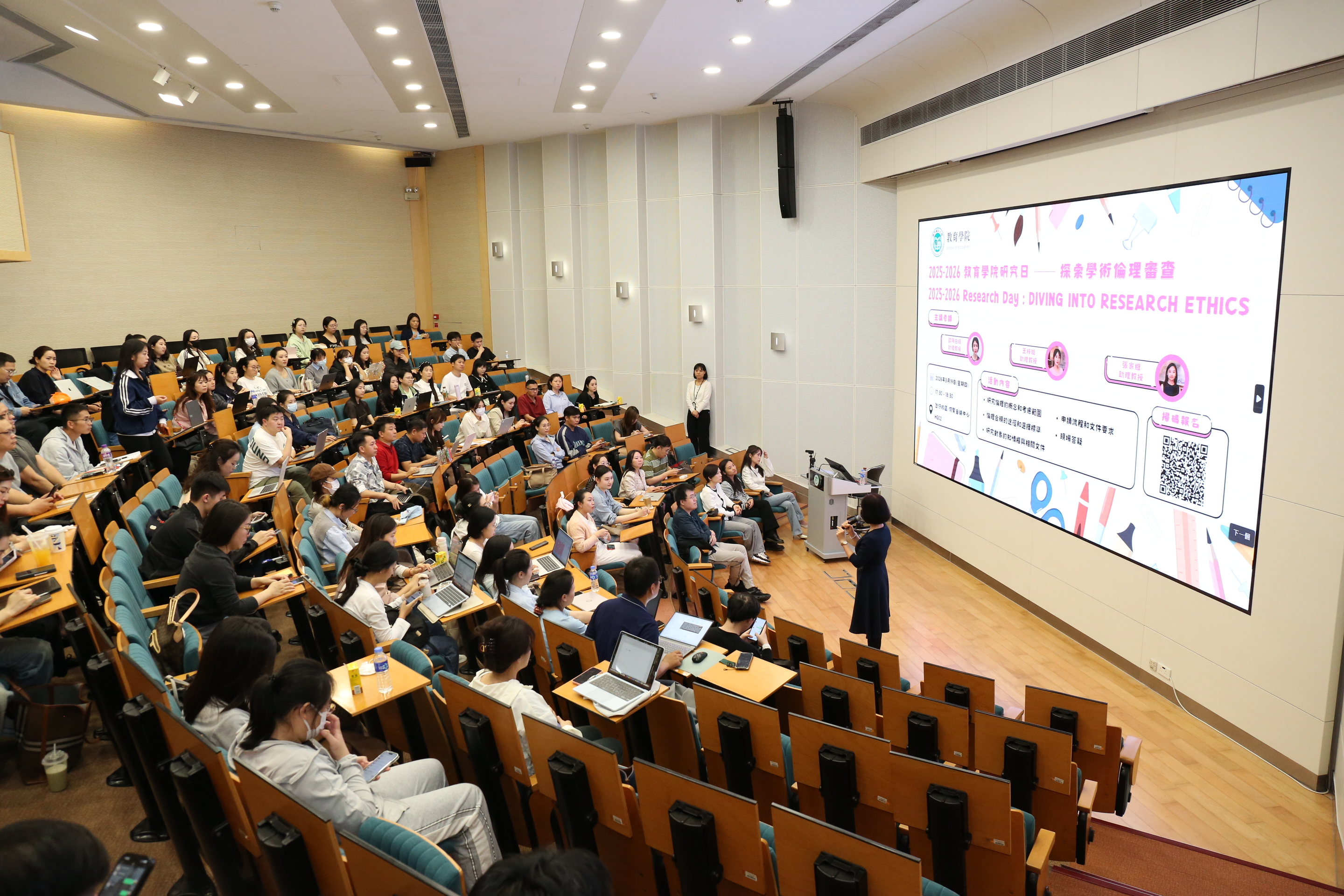
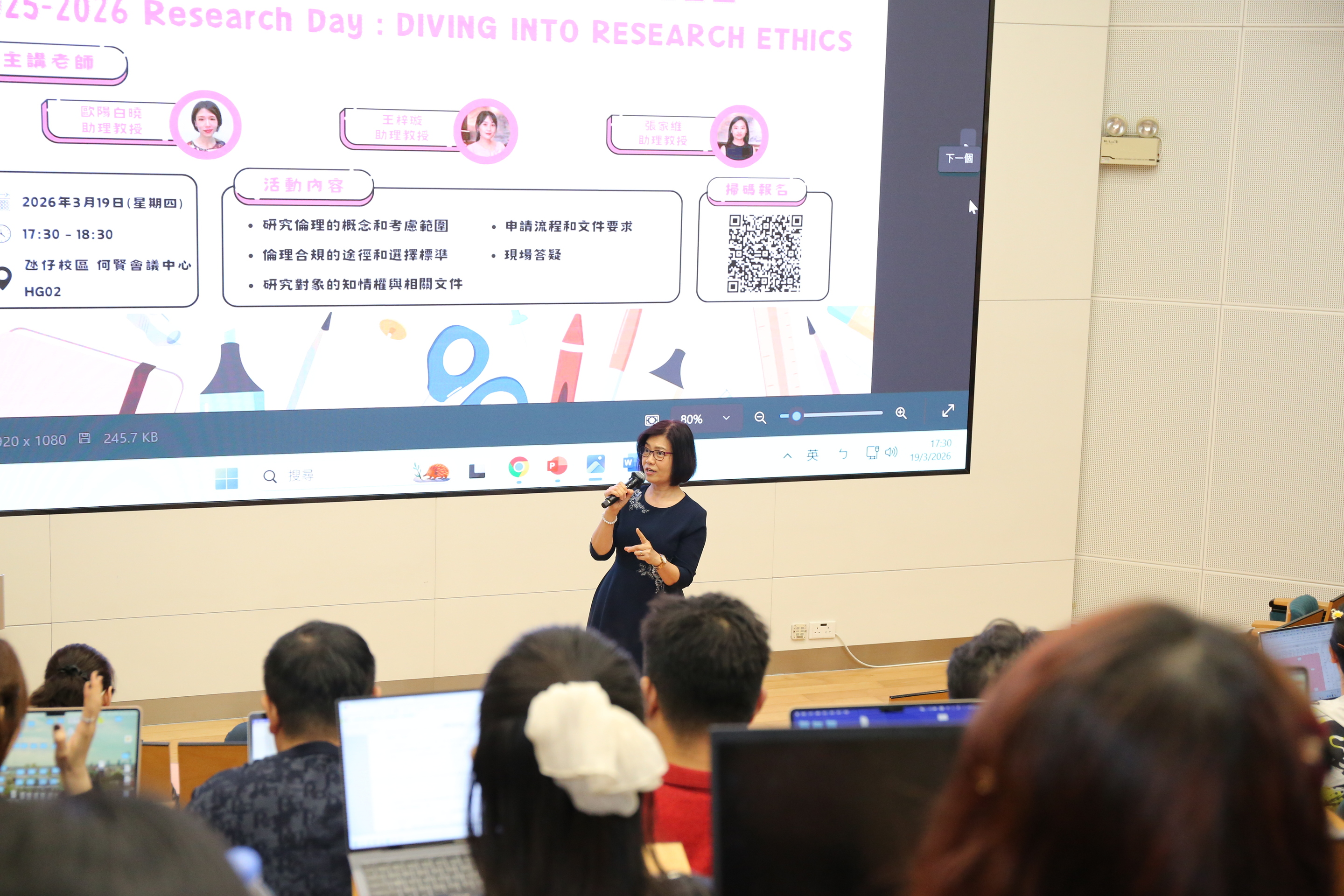
Assistant Professor Ouyang Baixiao gave a systematic lecture on the core essentials of research ethics. Her presentation covered the importance of ethical review, standards for data storage, hierarchical management of ethical review, and the application procedures of the Ethics Committee. She stressed that data authenticity is a fundamental requirement for academic publication. She clarified for students the scope of application of ethical review, key application timelines and required documents, providing authoritative guidelines and important references for students to conduct compliant research in the future.
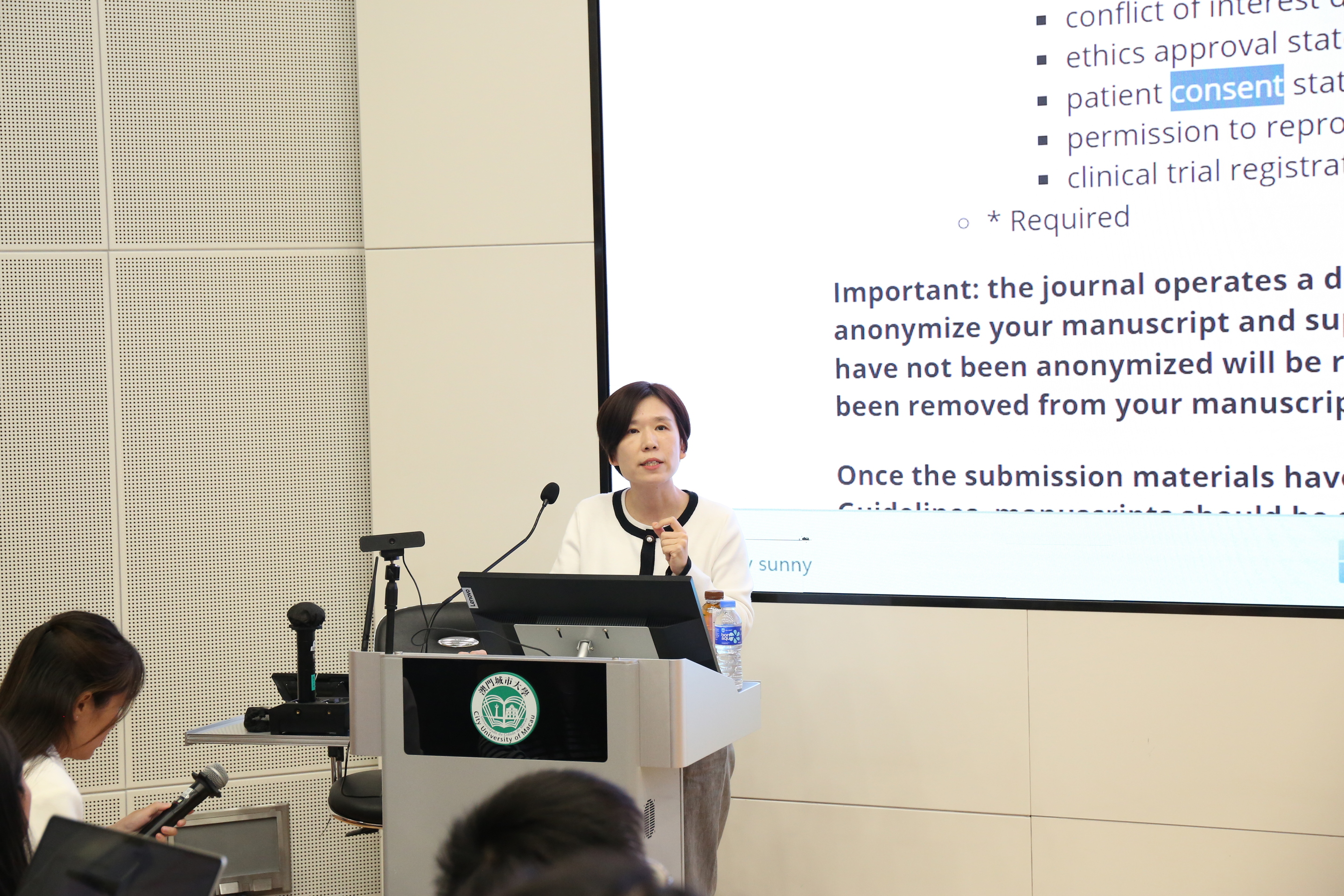
Assistant Professor Wang Zixuan offered an in-depth interpretation of the norms for informed consent forms. She pointed out that informed consent forms serve as a vital instrument to protect the rights and interests of both research participants and researchers. She elaborated on the essential components of informed consent forms for adult participants, requiring plain language and complete and transparent information. For minor participants, she highlighted the necessity of obtaining consent from both guardians and the minors themselves, with expressions tailored to children’s cognitive level, so as to ensure legal compliance and controllable risks throughout the research process.
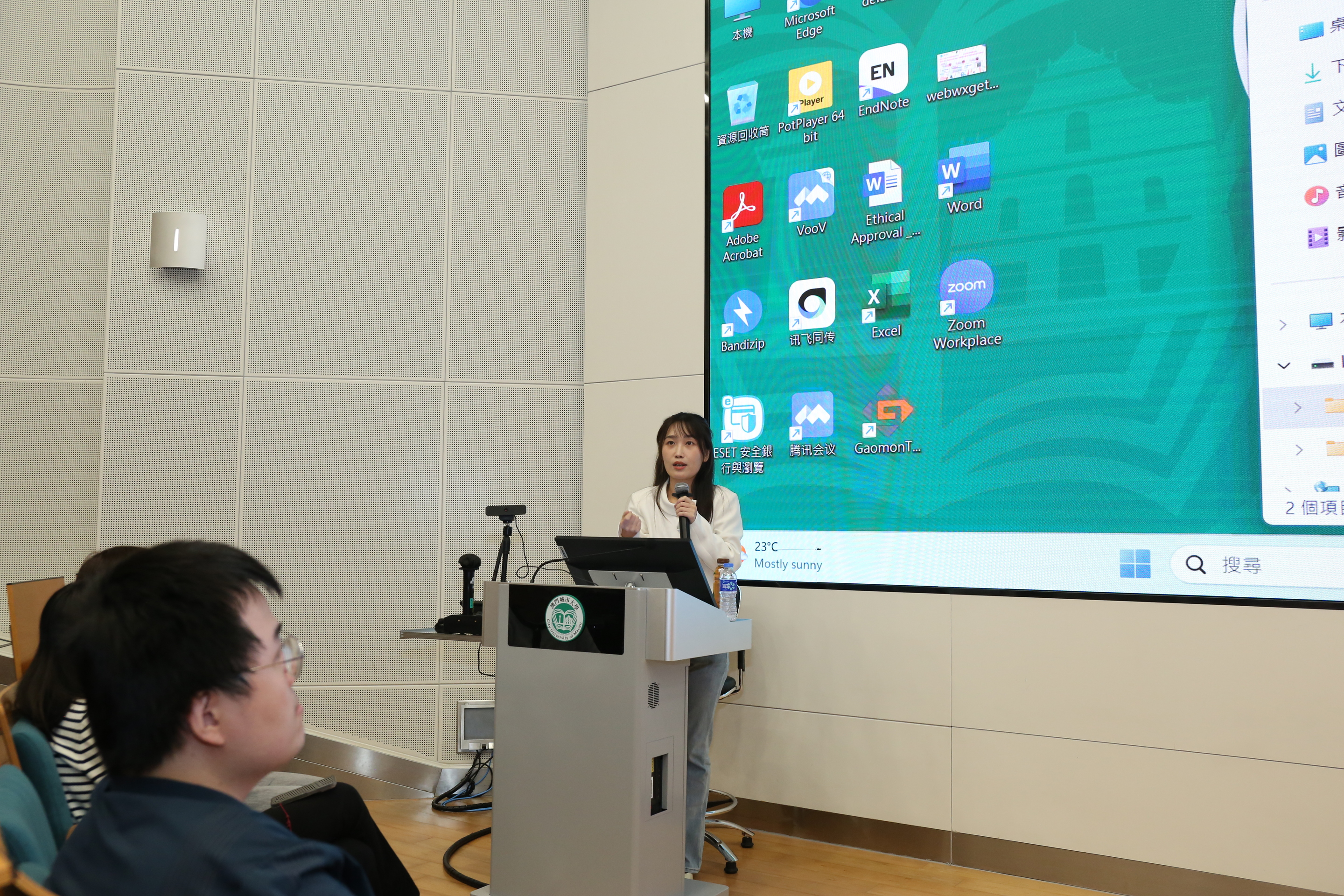
Assistant Professor Zhang Jiawei systematically explained the full practical workflow of ethical review. He detailed the standard requirements for filling out ethical review application forms, clarified key items including project information, risk assessment and supporting documents, and sorted out the complete process of document submission, signature approval and review feedback, offering clear and workable operational guidelines for teachers and students to complete ethical applications efficiently.
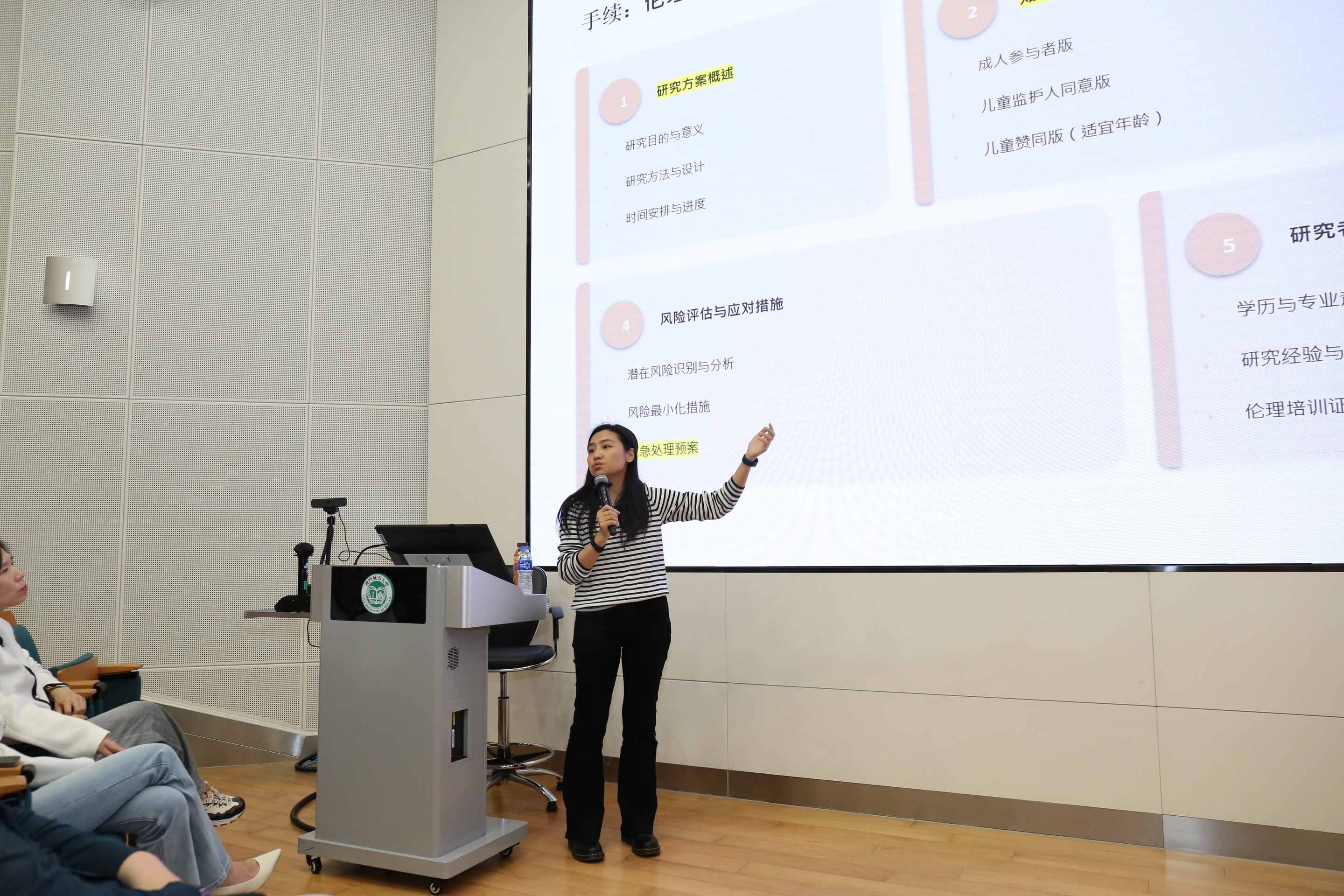
An interactive Q&A session was arranged at the end of the event. Students actively raised questions based on their own research projects, and the three speakers provided detailed answers one by one in a warm and engaging atmosphere. Through this seminar and training, participants further grasped the key points and practical skills of academic ethics review and greatly enhanced their awareness of research integrity, laying a solid foundation for conducting standardized academic research in the future.