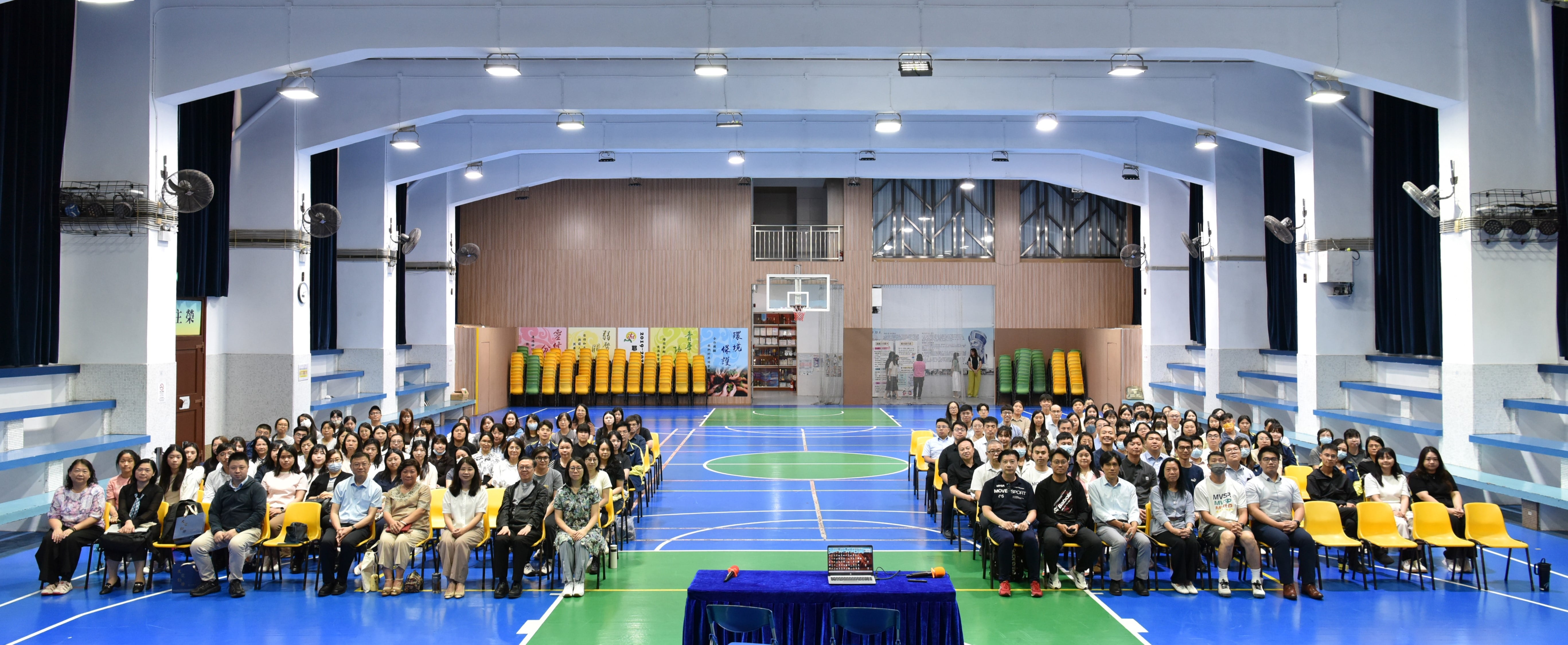
To promote educational innovation and teacher professional development in the AI era, Associate Professor Zheng Longwei and Assistant Professor Huang Biyun from the School of Education, City University of Macau, visited Colegio Mateus Ricci on June 9. They delivered professional training sessions for primary and secondary school teachers and held in-depth discussions on “Teacher Development and Talent Cultivation in the AI Era.”With the strong support and careful planning of the Principal Zhang and her team, the activity was warmly received and actively participated in by all teachers at the school, providing practical insights into digital education and subject integration in the AI era.
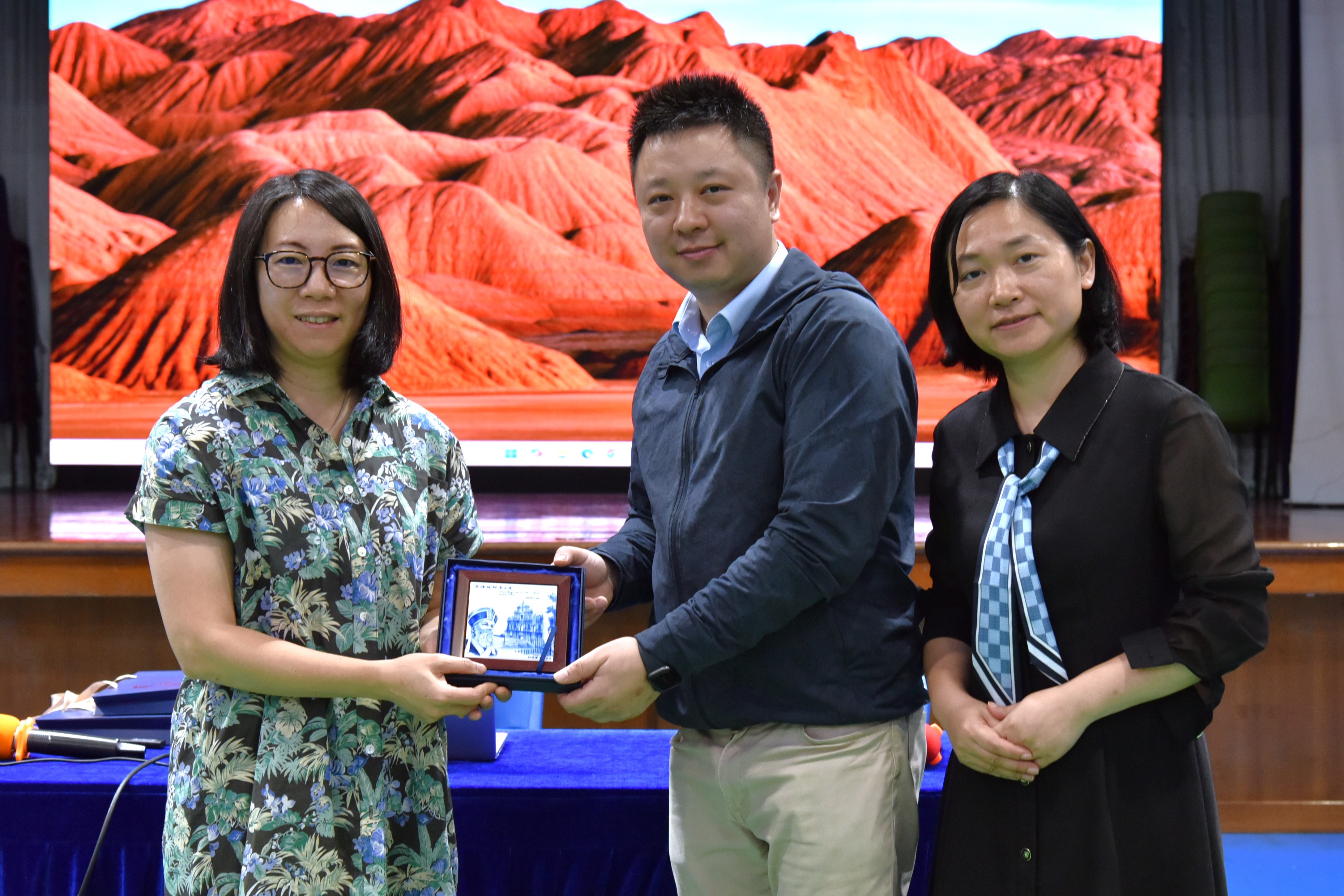
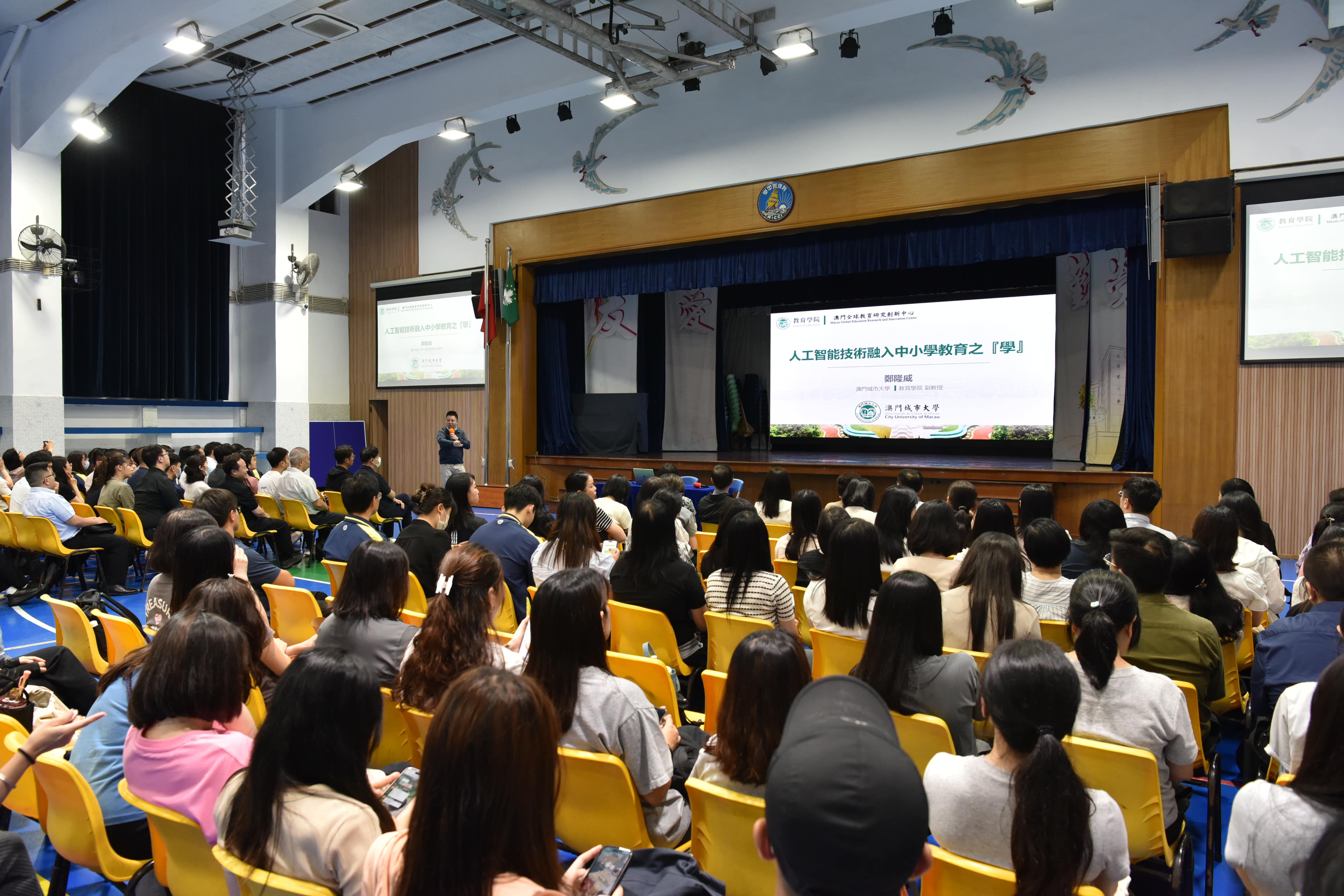
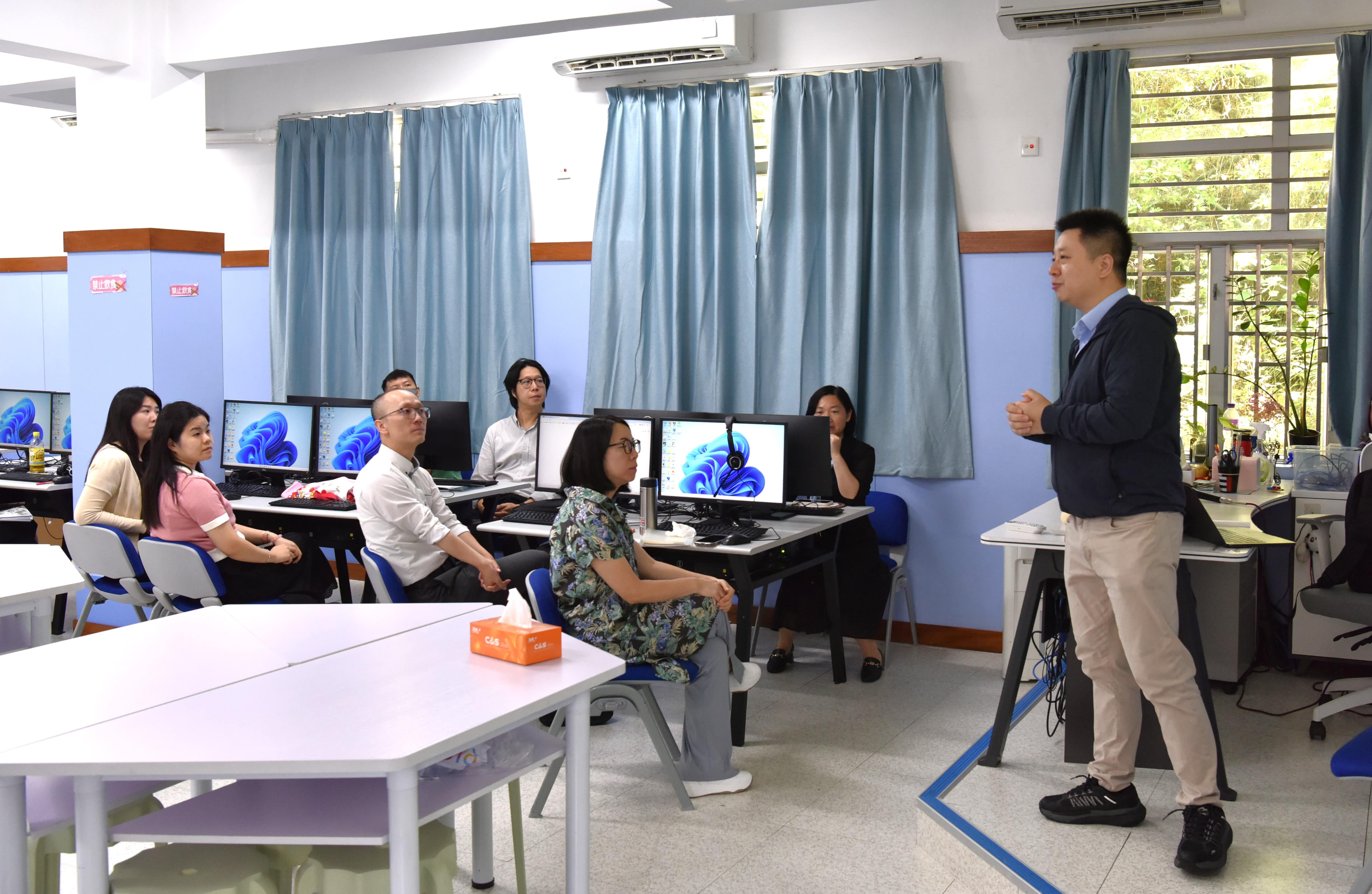
The training was organized in a layered manner to facilitate in-depth dialogue and integrate theory with practice. Associate Professor Zheng Longwei and Assistant Professor Huang Biyun first met with panel heads from various subjects to discuss the development paths of digital education within and across disciplines. Assistant Professor Huang Biyun then held a special seminar with the Principal Zhang and the administrative and information team, focusing on how to effectively cultivate students’ core competencies in the AI era. Finally, they led all teachers to explore innovative paths for digital education.
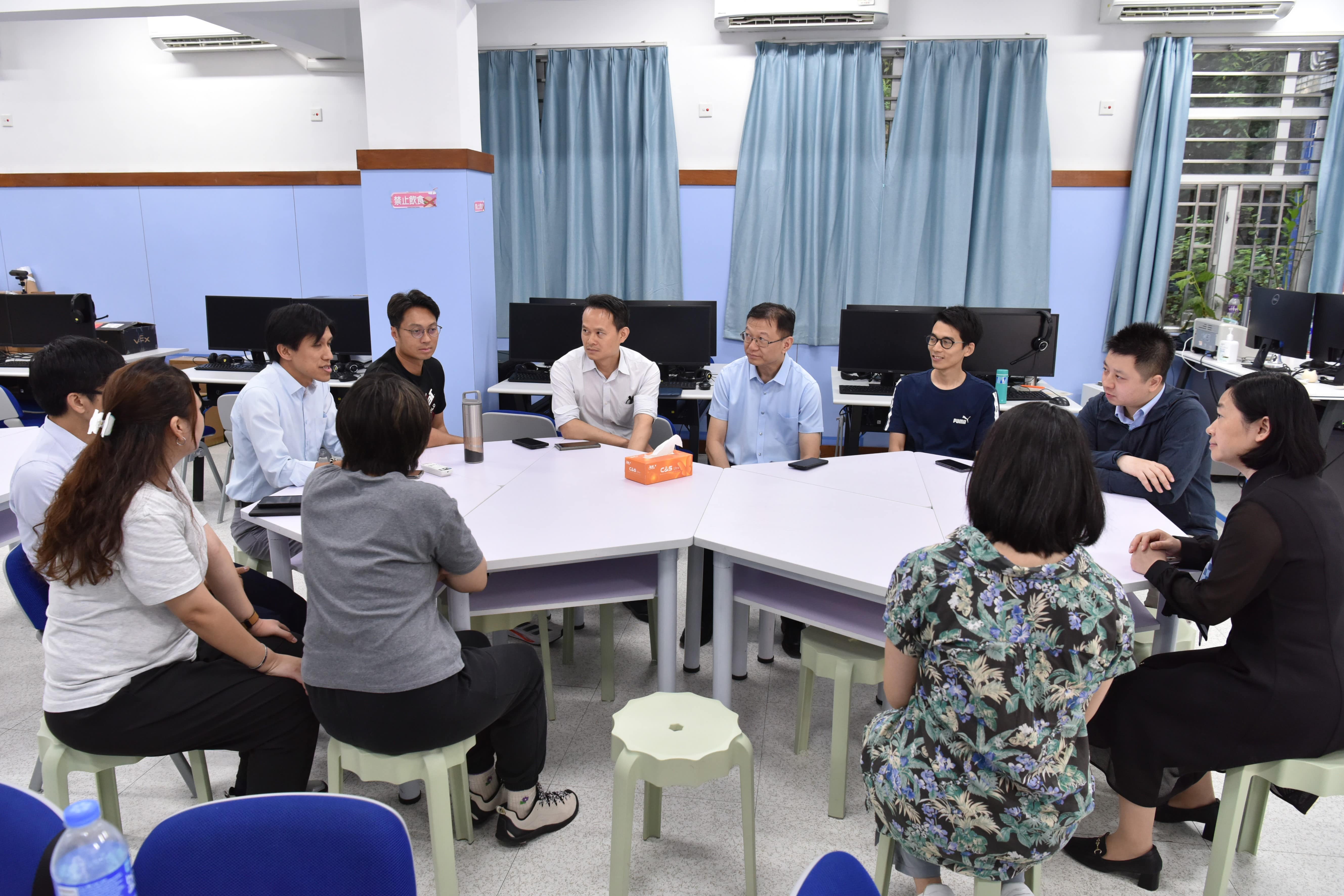
Associate Professor Zheng Longwei gave a presentation entitled “Teaching and Learning: Integrating Artificial Intelligence into Primary and Secondary Education.” Combining AI technology and cognitive psychology theories, he used cases of AI intelligent platforms to explain in detail how to achieve personalized learning through technology.
Assistant Professor Huang Biyun delivered a session on “Interdisciplinary STEM Education: Trends and Examples.” Focusing on the trends of STEM education, she analyzed the key student competencies needed in the AI era. With typical software platforms and community integration cases, she illustrated practical pathways for future talent cultivation. The two sides also conducted brainstorming sessions to explore specific entry points for promoting students’ civic awareness and innovative abilities.
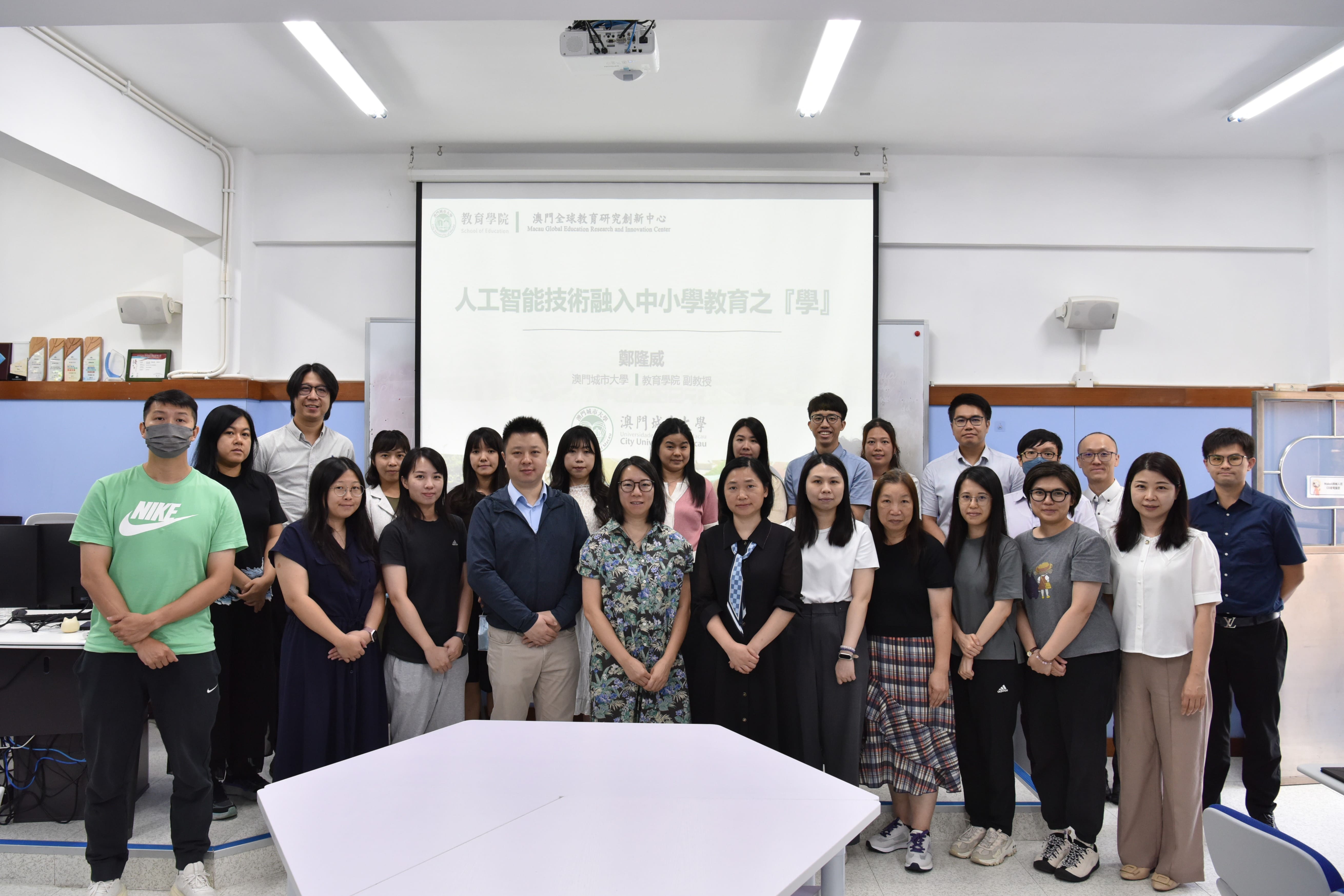
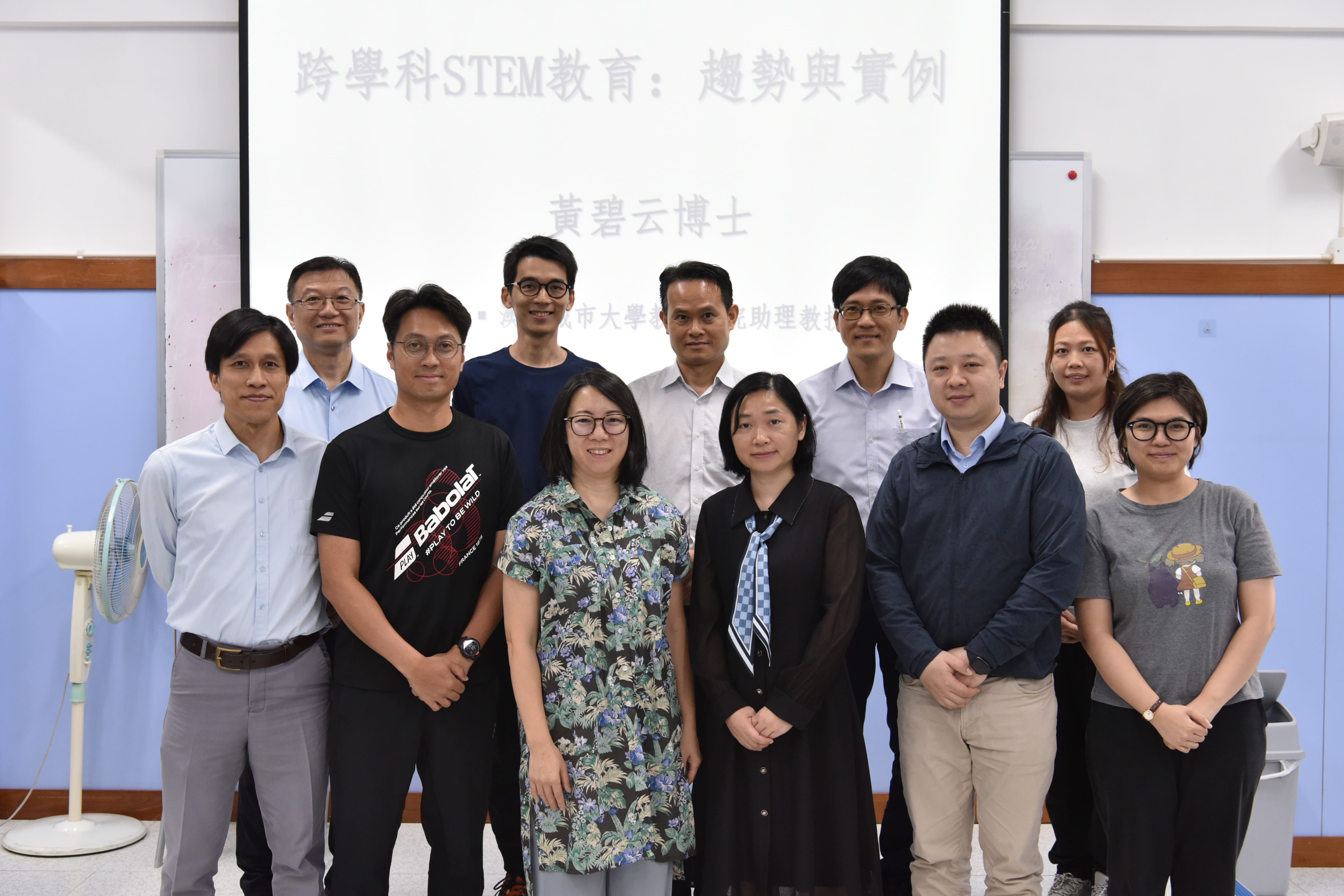
The training activity was a complete success. Both sides agreed to take this opportunity to further explore the establishment of a long-term cooperation mechanism, continuously promote teacher professional development and the cultivation of students’ core competencies, and inject sustained impetus into educational innovation in the AI era.