

On the afternoon of April 28, 2026, an academic lecture hosted by the Faculty of Education, City University of Macau, was successfully held at the Golden Dragon Campus. The event specially invited Professor Tan Chuanbao, Distinguished Scholar of Beijing Normal University, former Chair of the Academic Committee of the Faculty of Education, and Honorary Director of the National Moral Education Academic Committee. Delivering a lecture entitled The Underlying Logic of the Integration of Five Educations — Also on the Educational Orientation of the “Five Educations” and Their Organic Unity with Educational Practice, Professor Tan presented an insightful, logically rigorous and broad-vision academic report to teachers and students present.
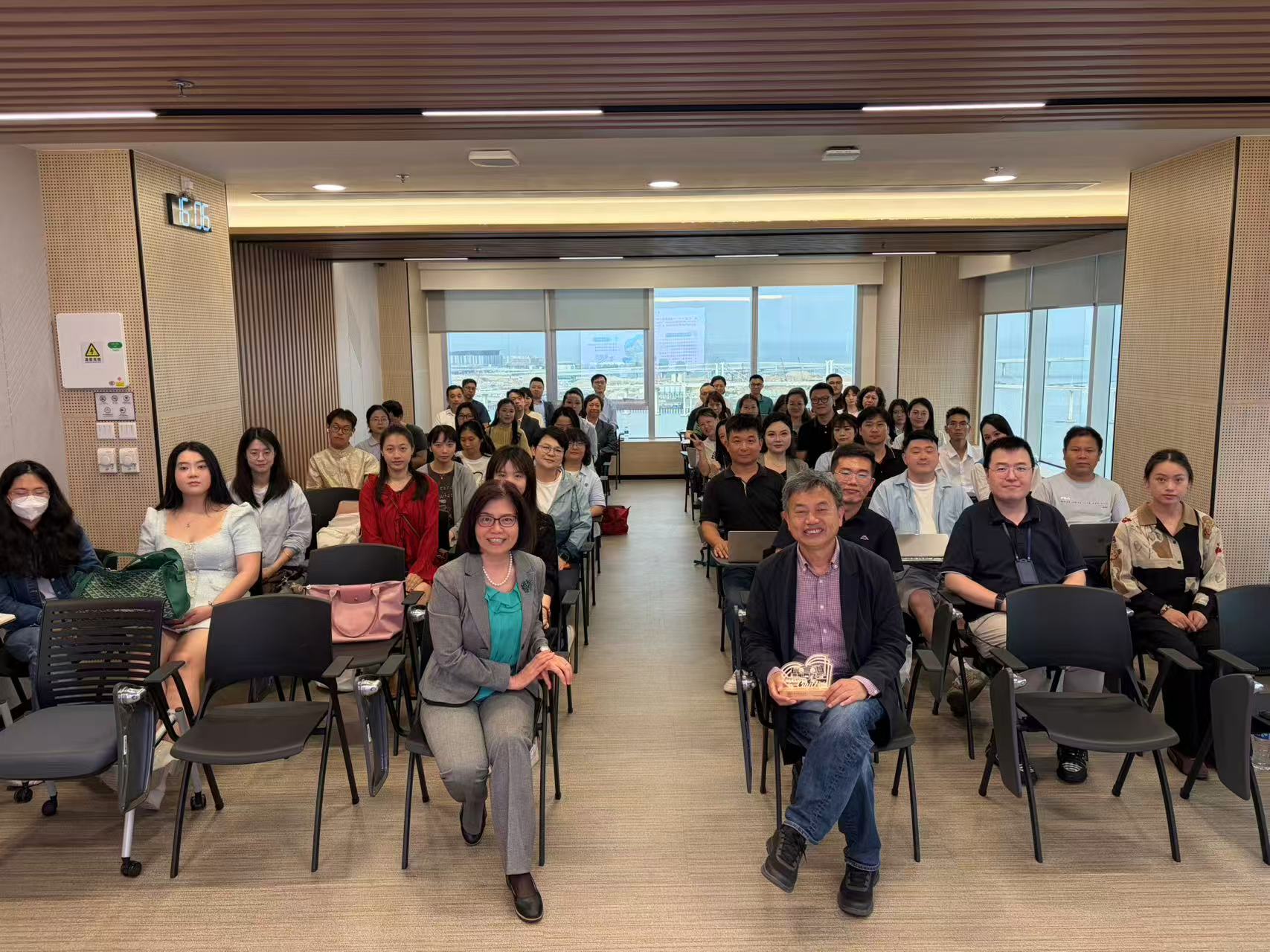
Professor Tan pointed out that the “Five Educations” (moral, intellectual, physical, aesthetic and labor education) are not merely a simple classification of courses, but an overall expression of educational purposes. For a long time, school education has tended to isolate morality, intelligence, physical fitness, aesthetics and labor into five parallel curriculum segments, reducing their “integration” to a mere slogan. He emphasized that the essence of the Five Educations lies in five dimensions of educational goals, which should be organically integrated throughout the whole process of talent cultivation rather than remaining separate from one another.
Regarding the widely concerned issue of “how to achieve integration”, Professor Tan put forward practical approaches: taking real educational activities as the carrier, integrating the five dimensions of morality, intelligence, physical fitness, aesthetics and labor into the same teaching context. Taking a physical education class or a labor practice activity as examples, he vividly illustrated how specific teaching can simultaneously realize physical training, awareness of rules (moral education), strategic thinking (intellectual education), aesthetic experience (aesthetic education), and recognition of labor values. He stressed that integration is not mechanical superposition, but internal transformation and unity.
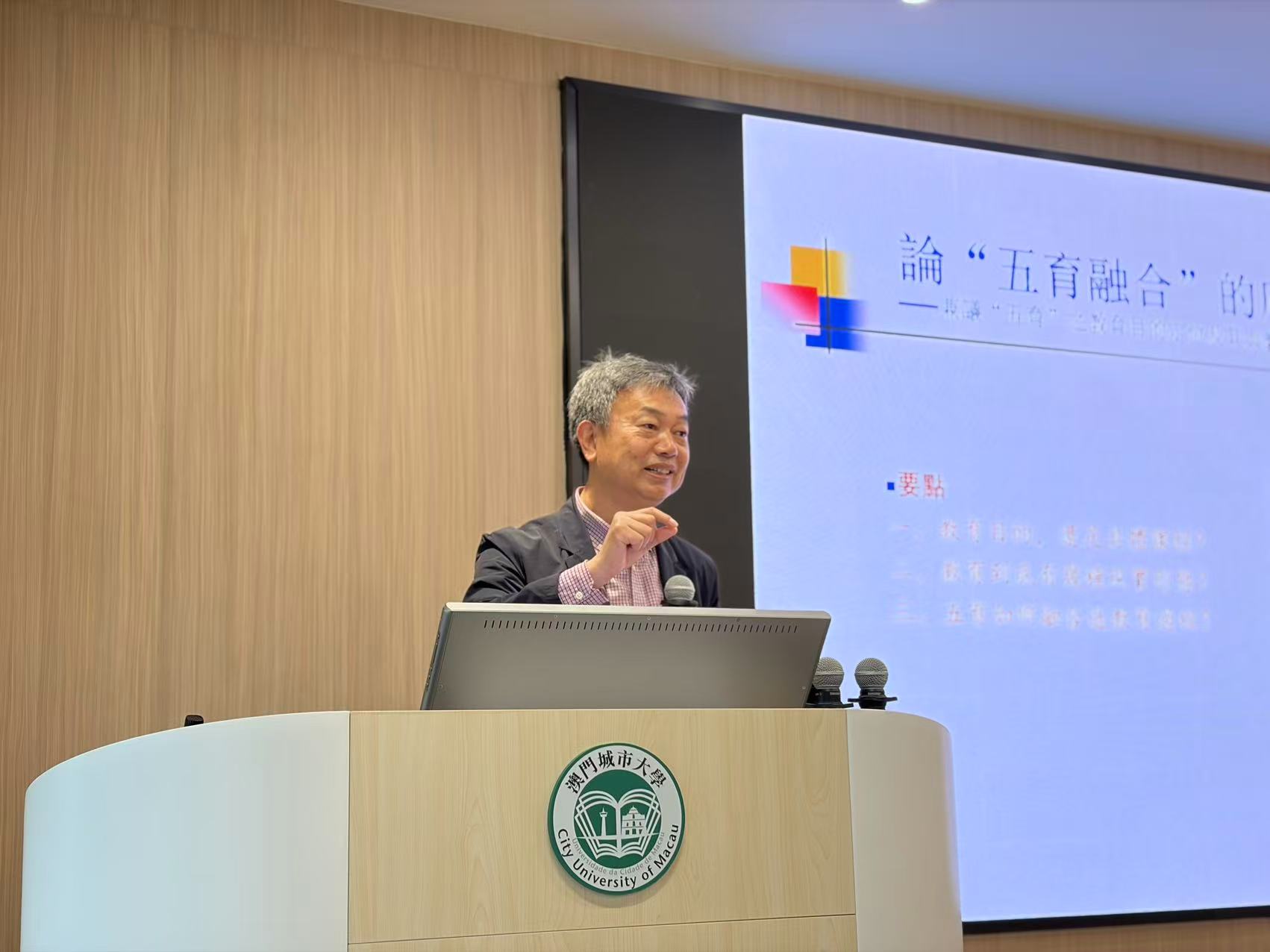
At the end of the lecture, Professor Tan concluded that the underlying logic of the “integration of Five Educations” lies in returning to the fundamental essence of education — fostering people. Only by understanding the Five Educations as multi-dimensional manifestations of educational purposes and unifying them in concrete educational practice can the ideal of all-round development be truly fulfilled.
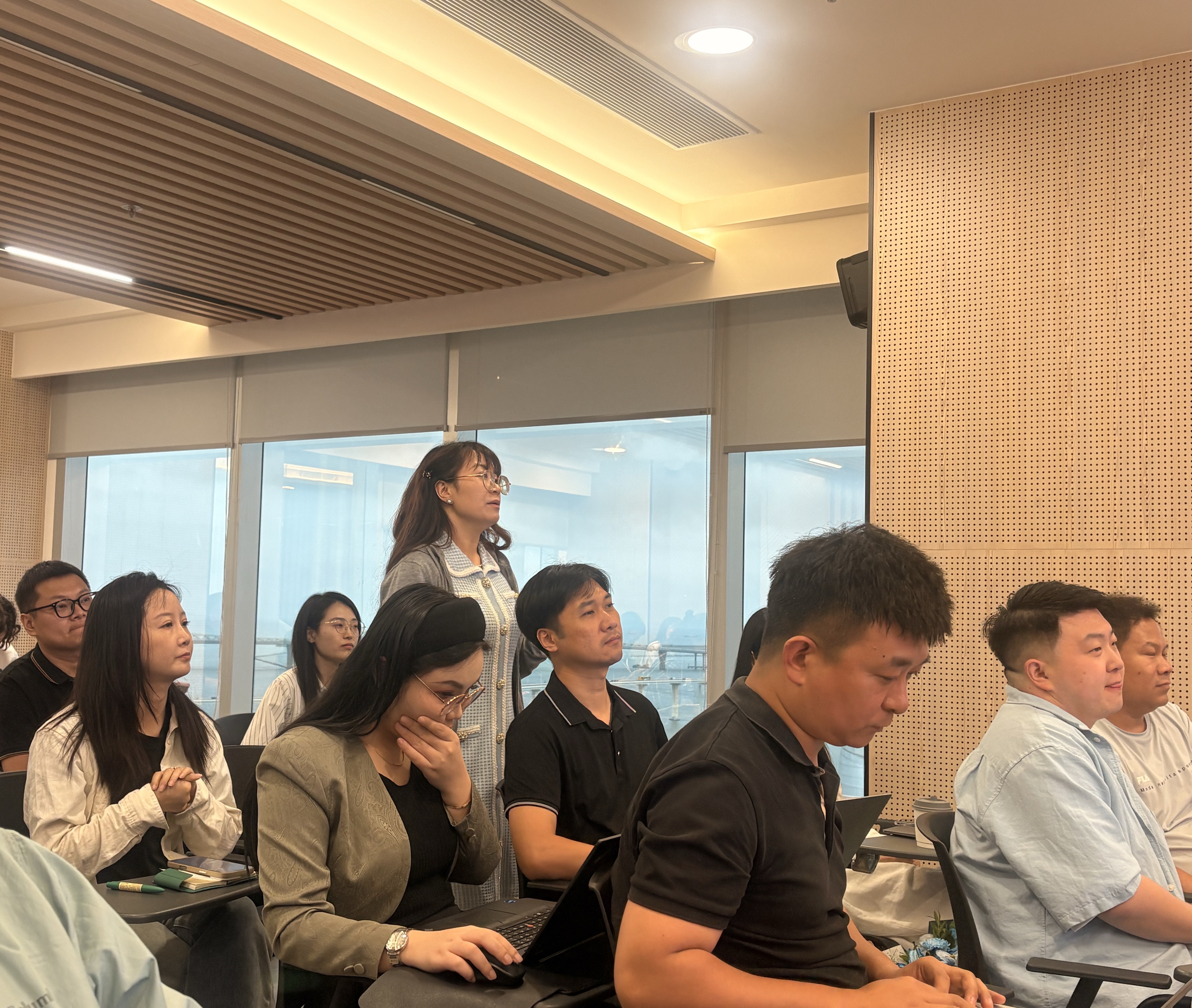
In the interactive session, teachers and students actively raised questions on topics such as how to prevent labor education from becoming formalistic and the boundary between aesthetic education and moral education. Professor Tan provided in-depth and concise responses to each question. The event was filled with enthusiastic interaction and continuous applause.
The lecture not only deepened teachers and students’ understanding of the theoretical foundation behind the integration of Five Educations, but also offered clear methodological guidance for educational practice. Moving forward, the Faculty of Education will continue to invite renowned scholars at home and abroad, promote in-depth integration of academic exchanges with educational and teaching reform, and sustainably enhance the quality of talent cultivation.